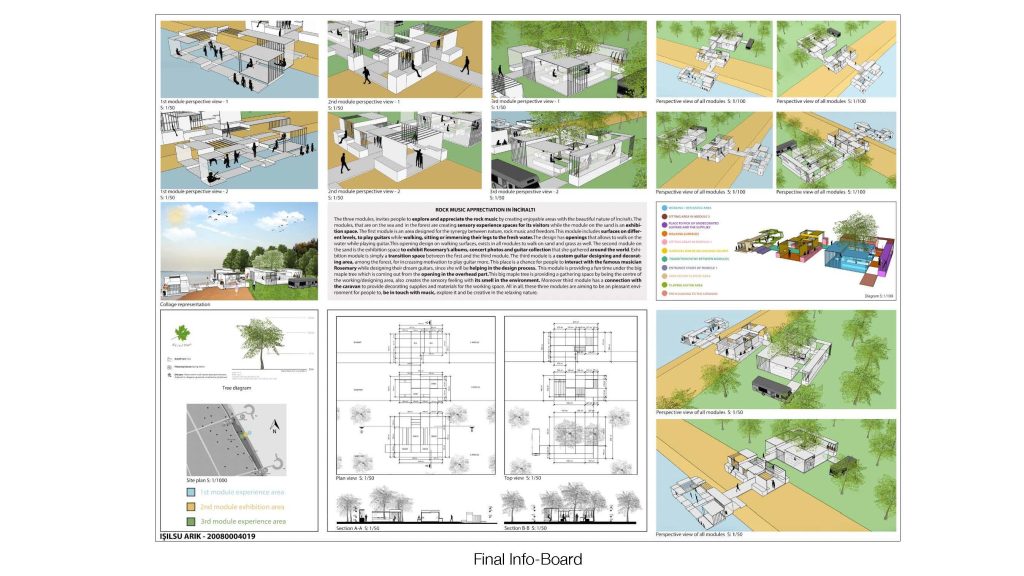
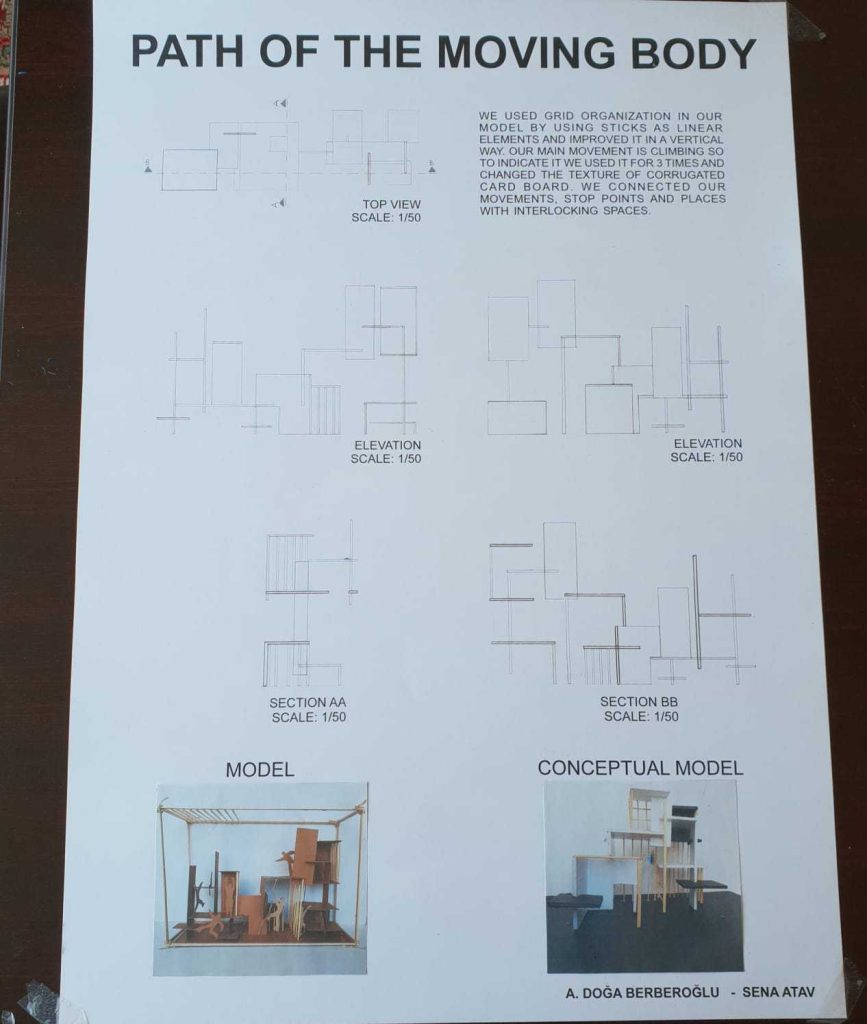
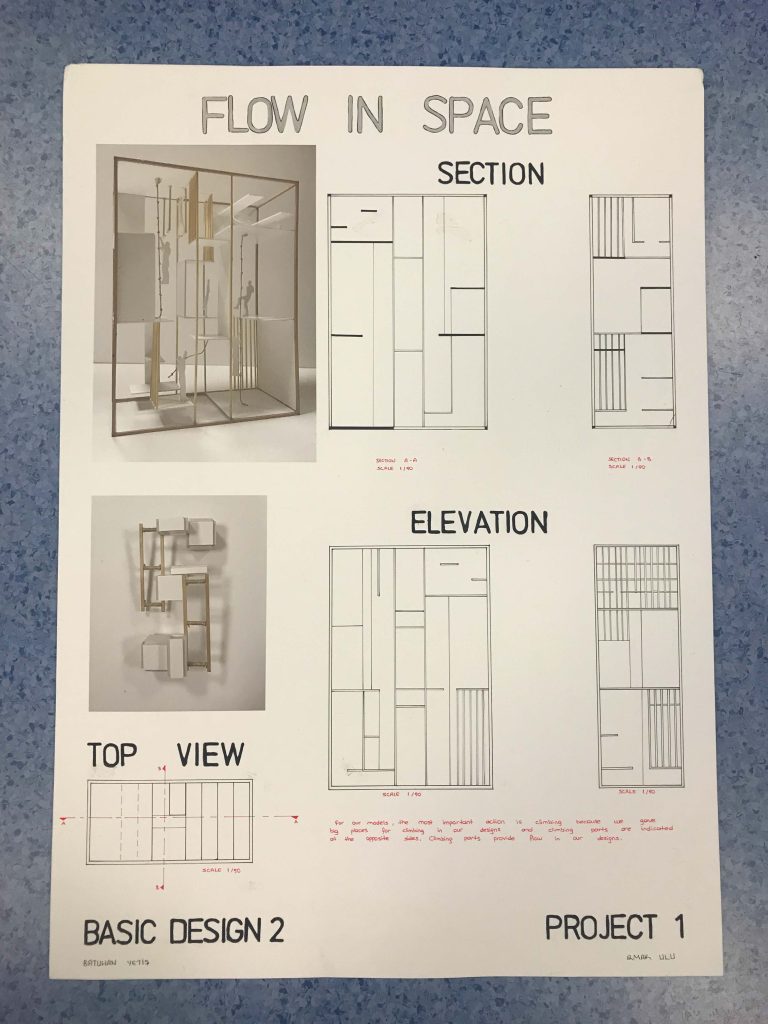
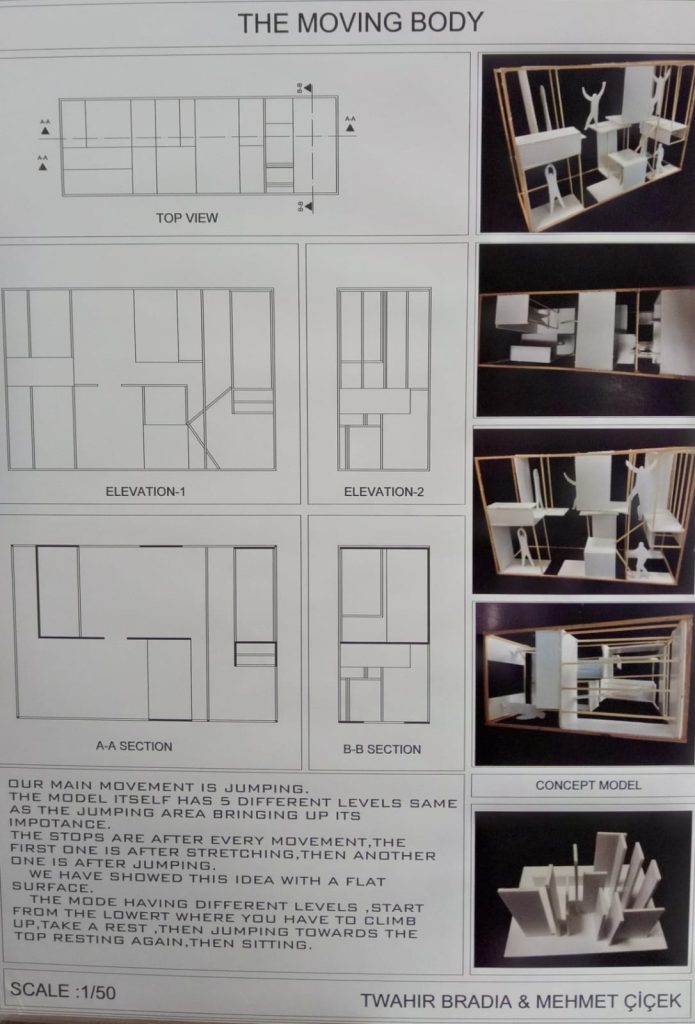
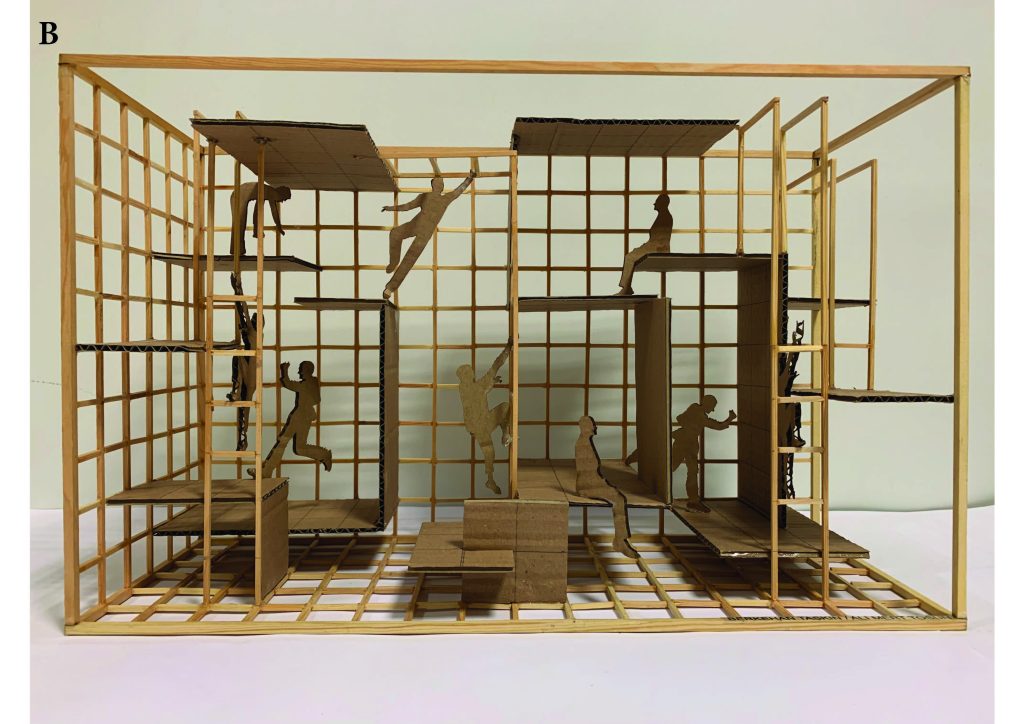
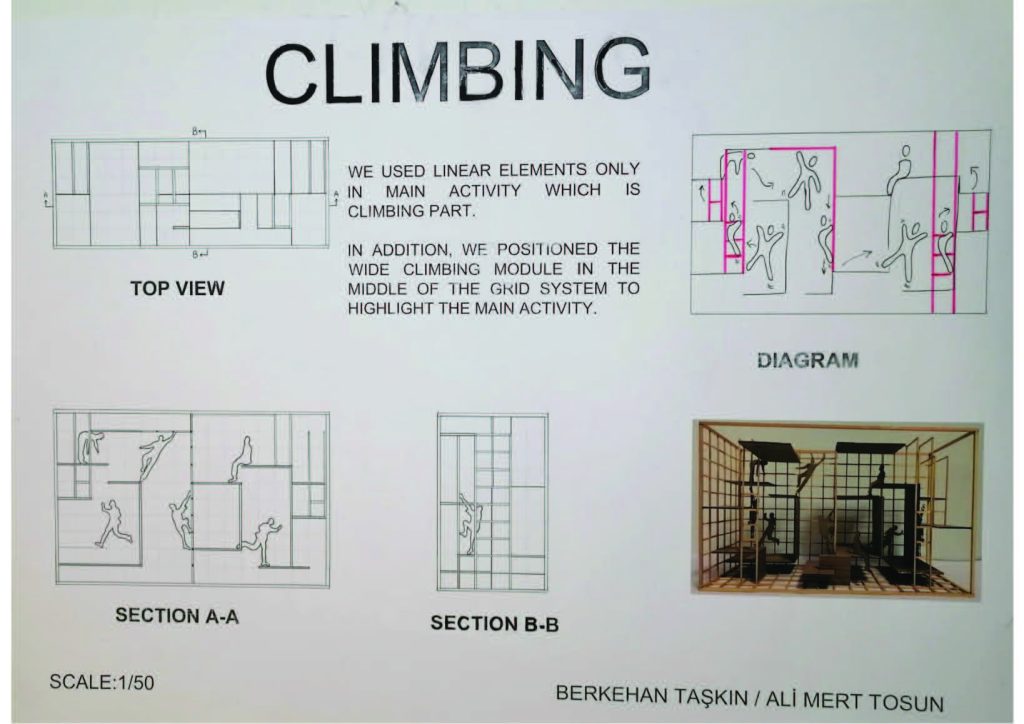
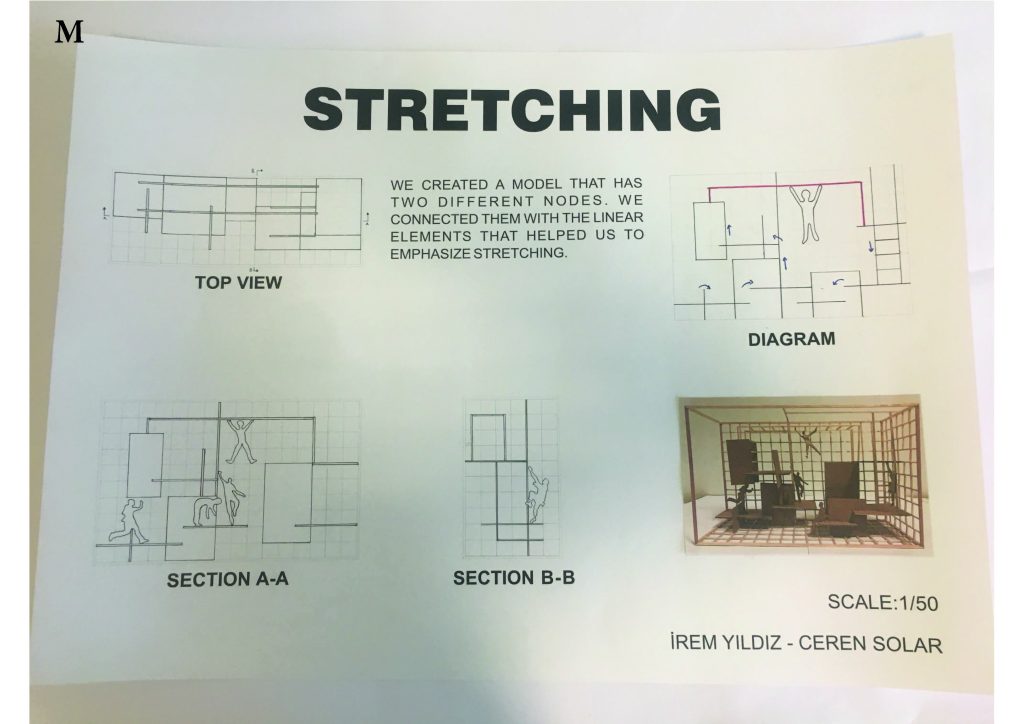
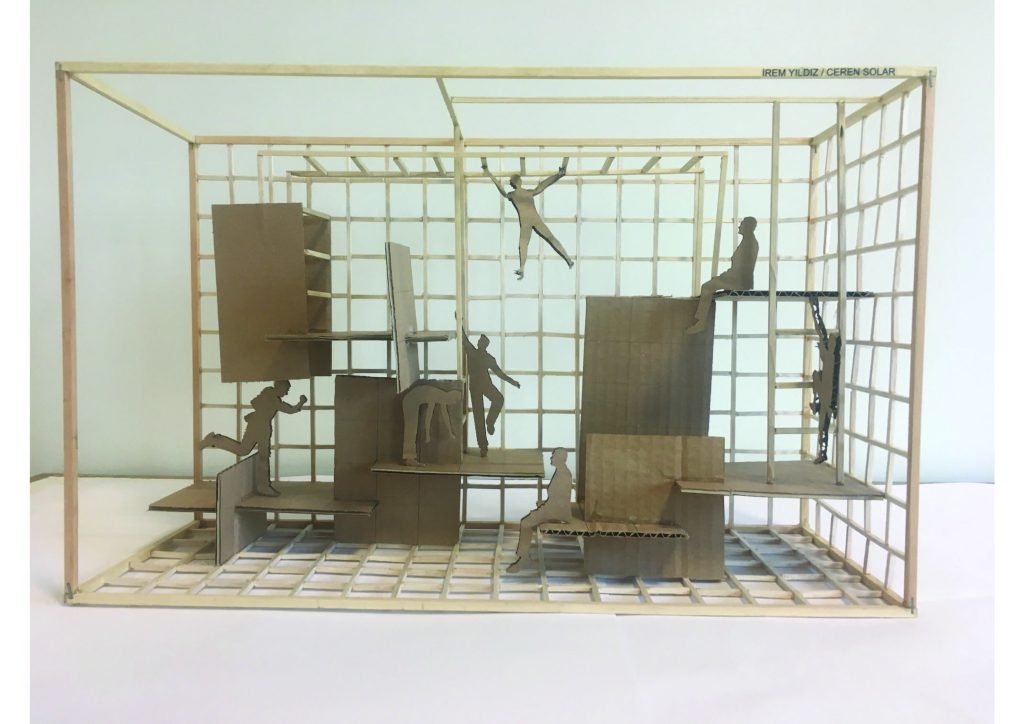
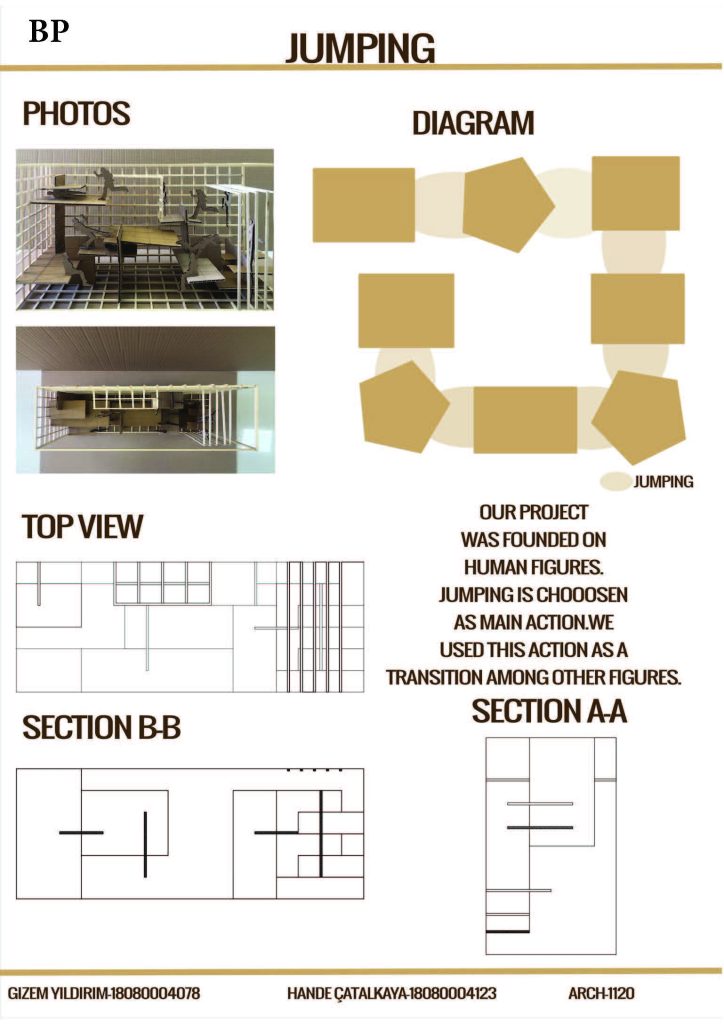
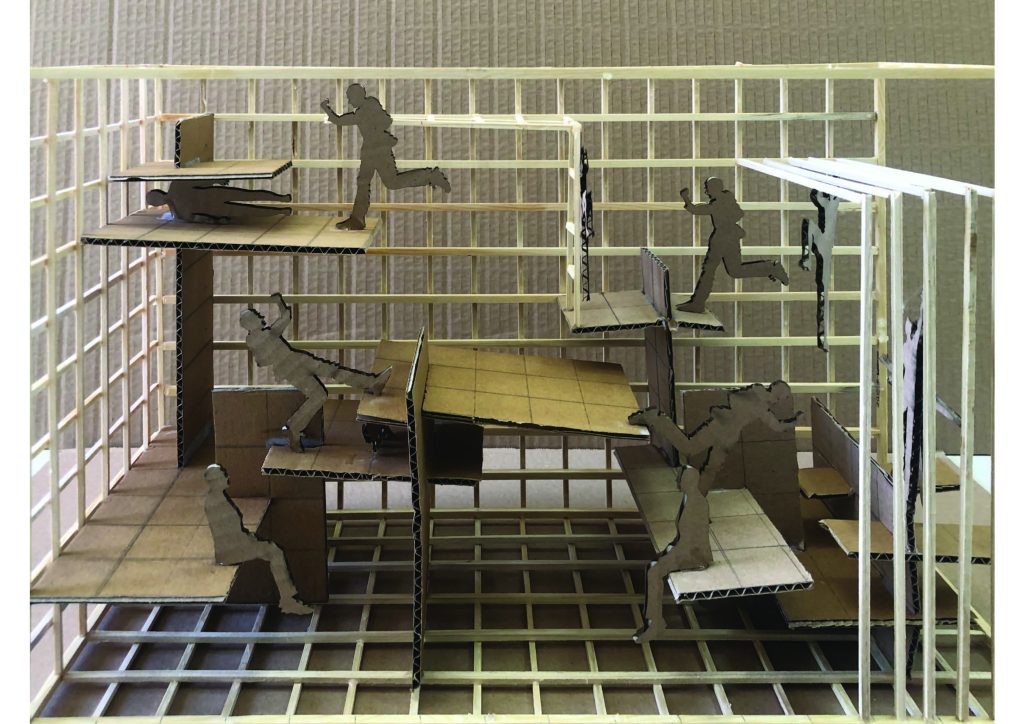
Project 1: You are asked to design a movement path consisting of the following actions of the body: Stretching, Climbing, Jumping, Bendinig Reaching Two stops (lying and/or sitting).
You are free to choose the order of consecutive movements and can use your frame in any direction. The entrance to your path does not need to correspond to the base of the frame.
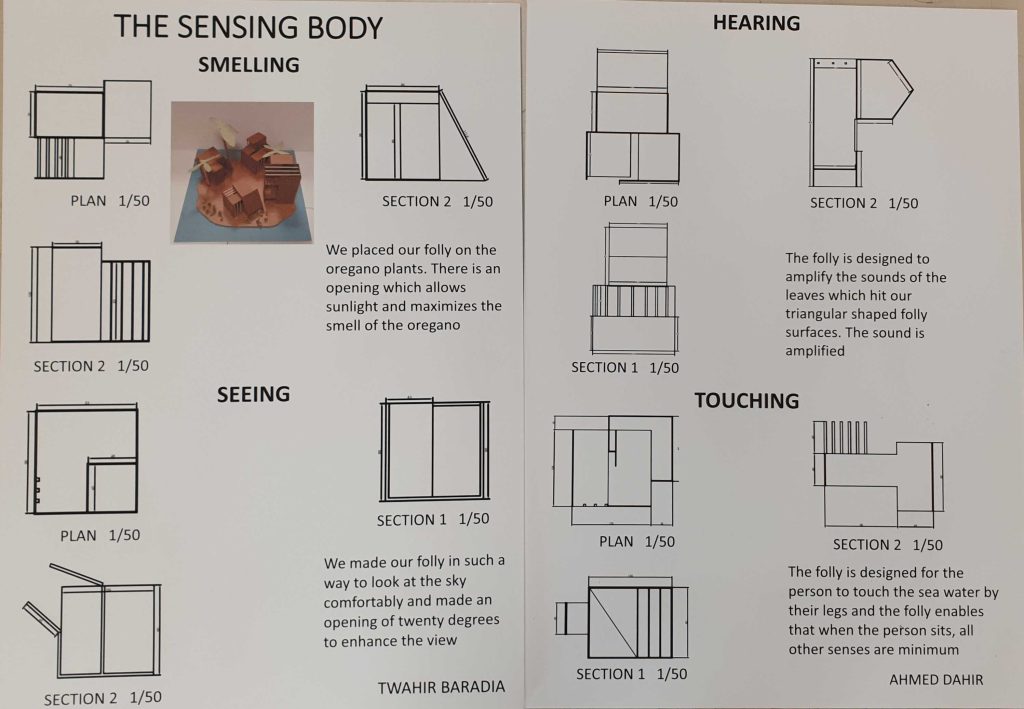
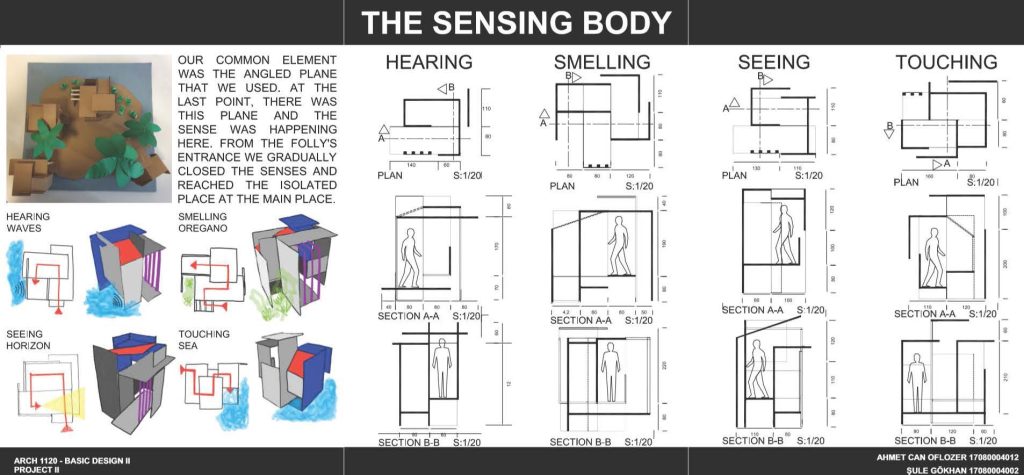
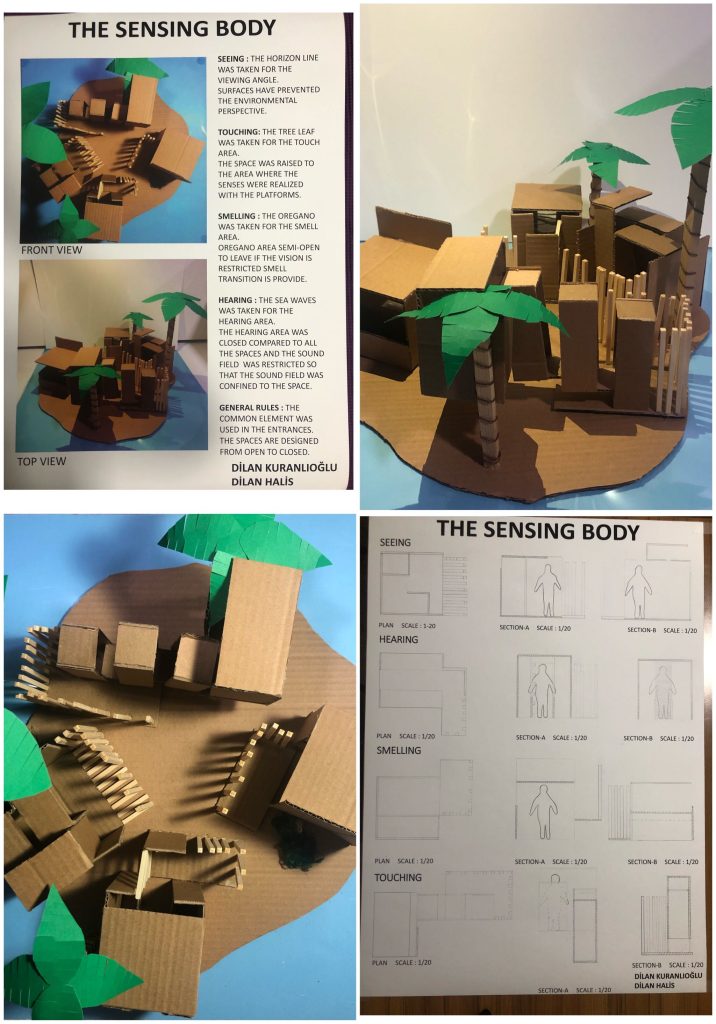
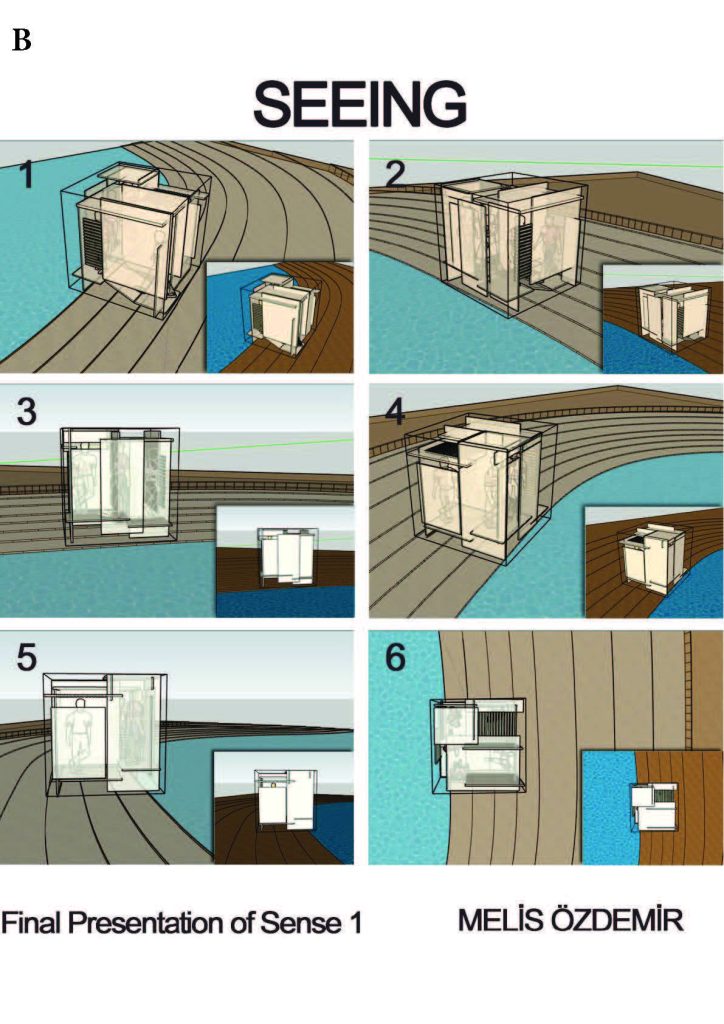
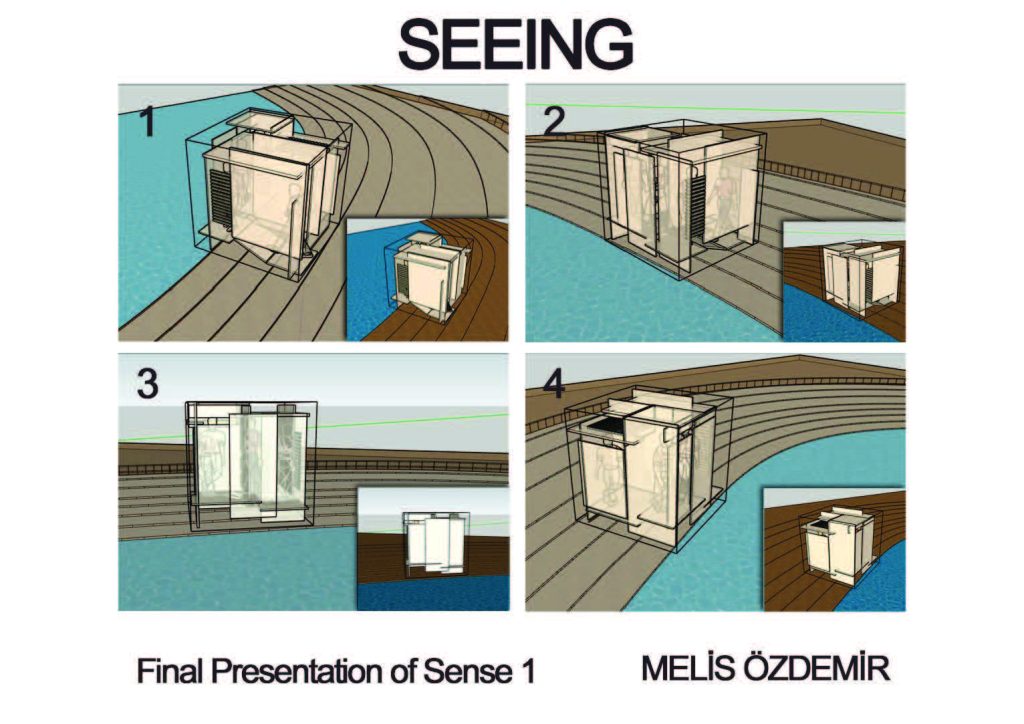
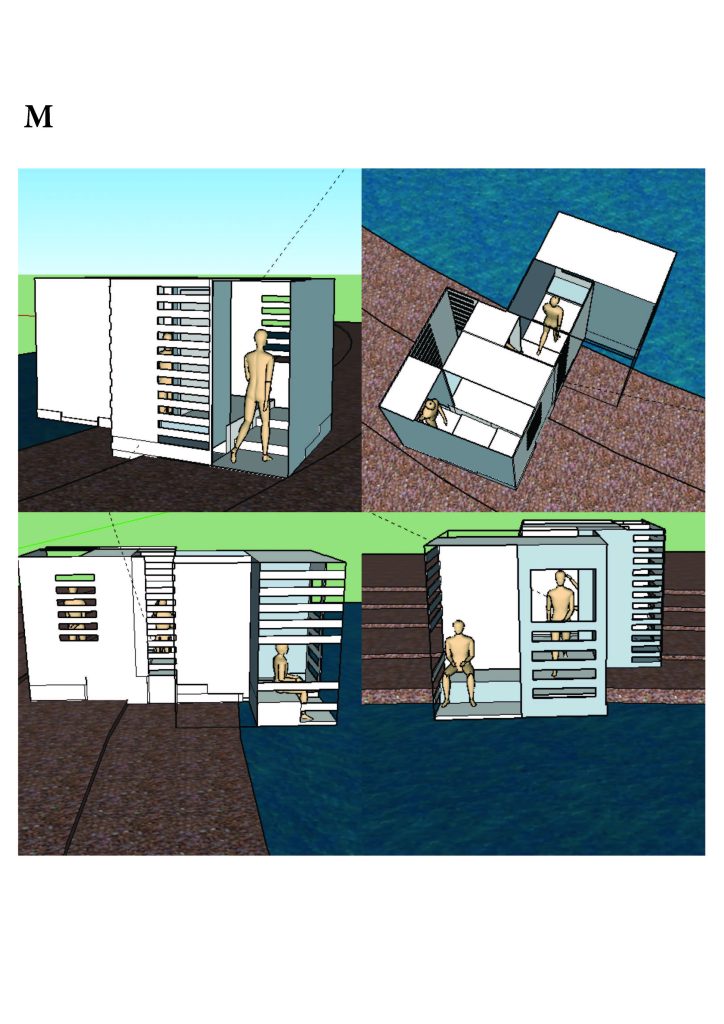
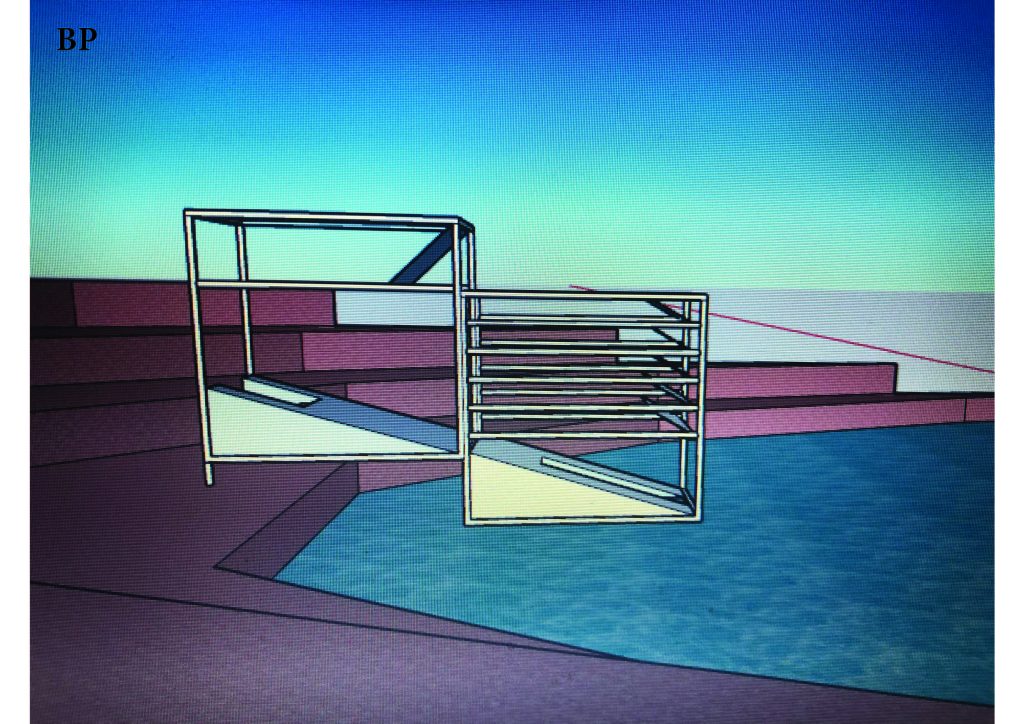
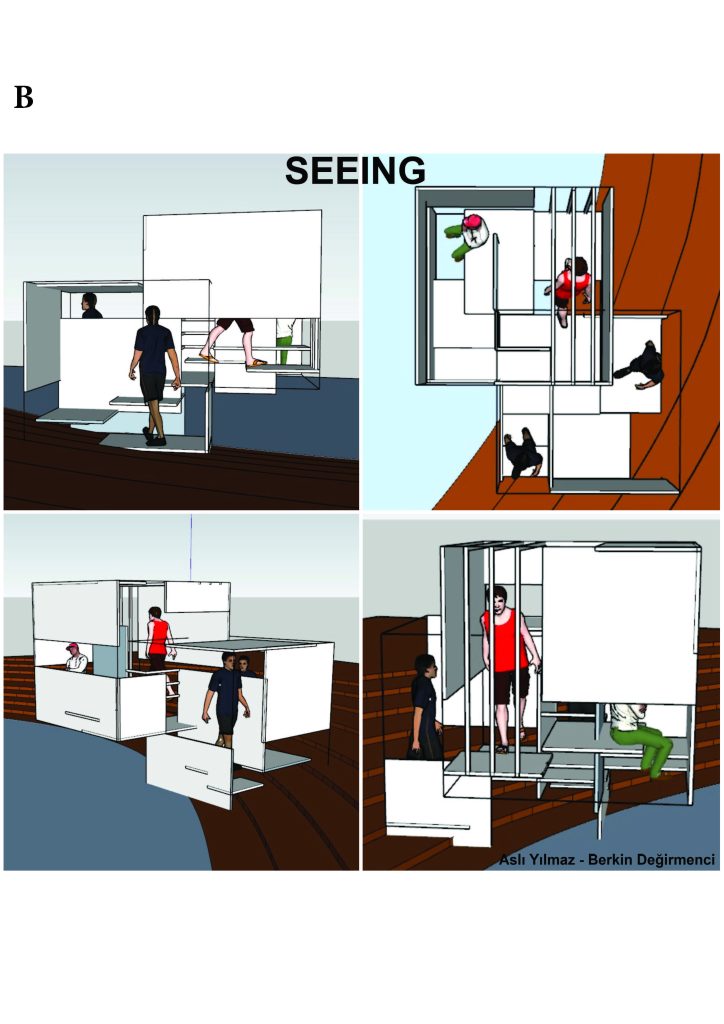
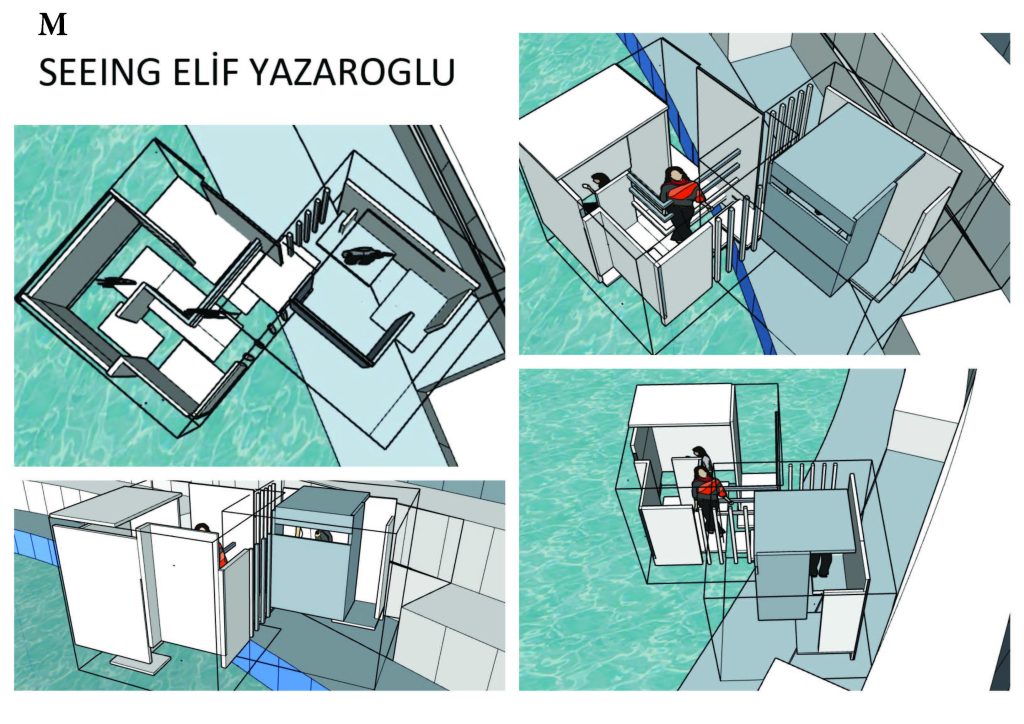
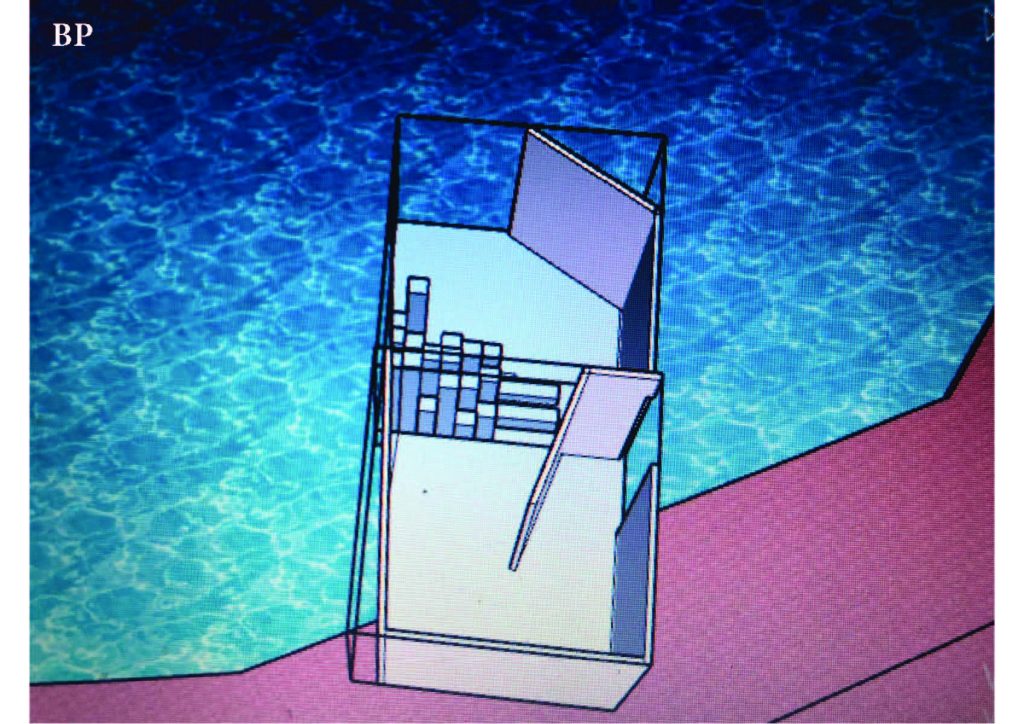
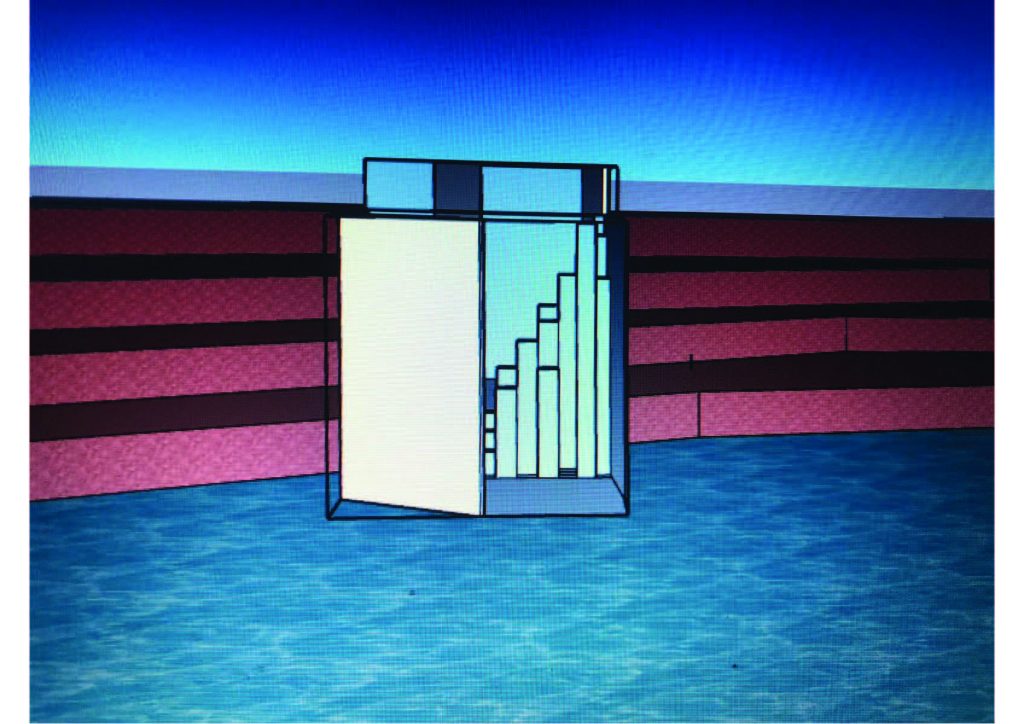
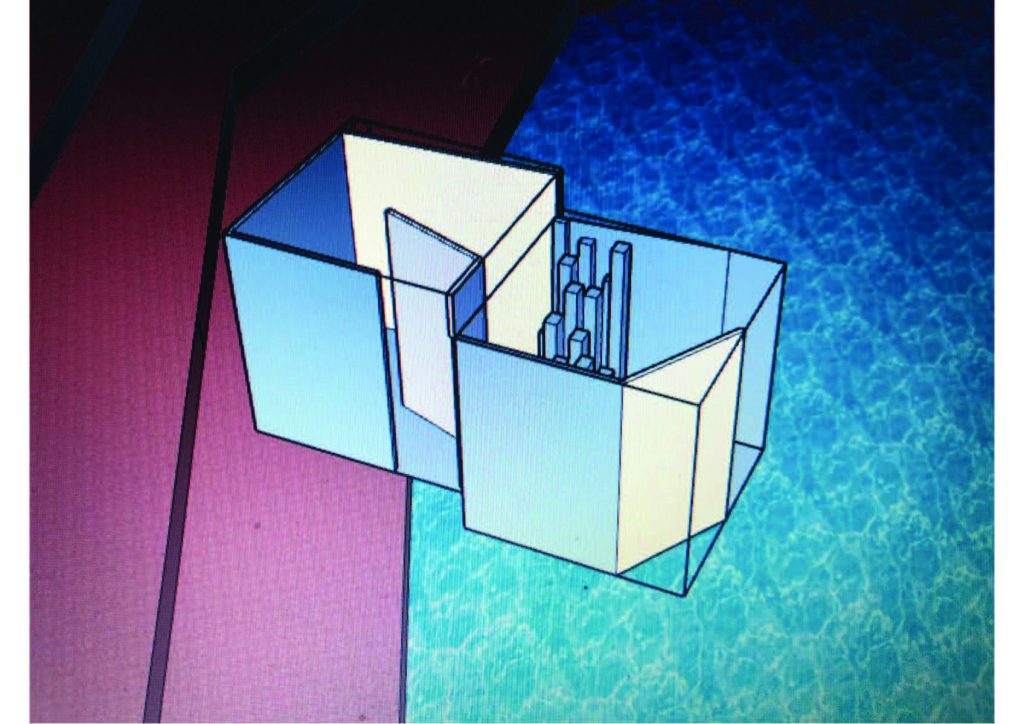
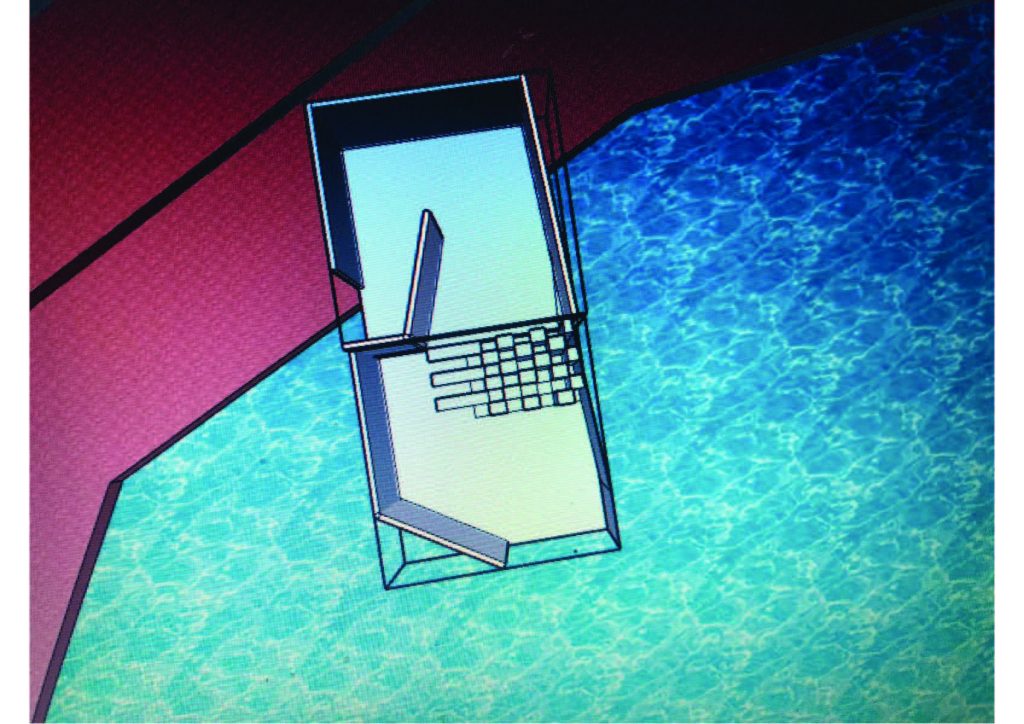
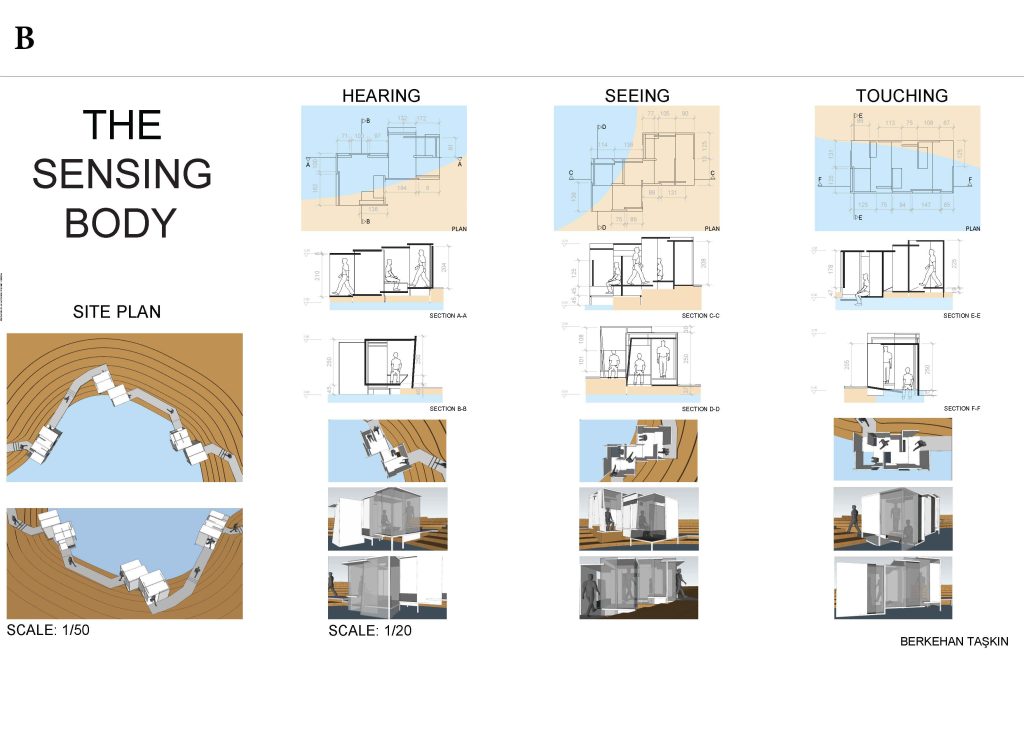
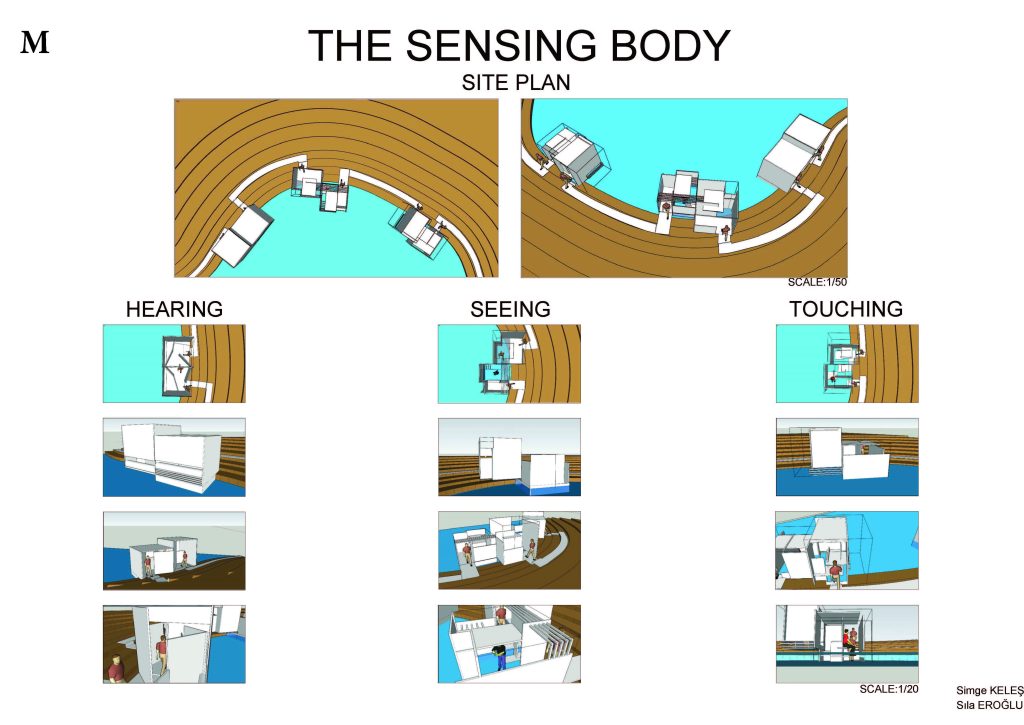
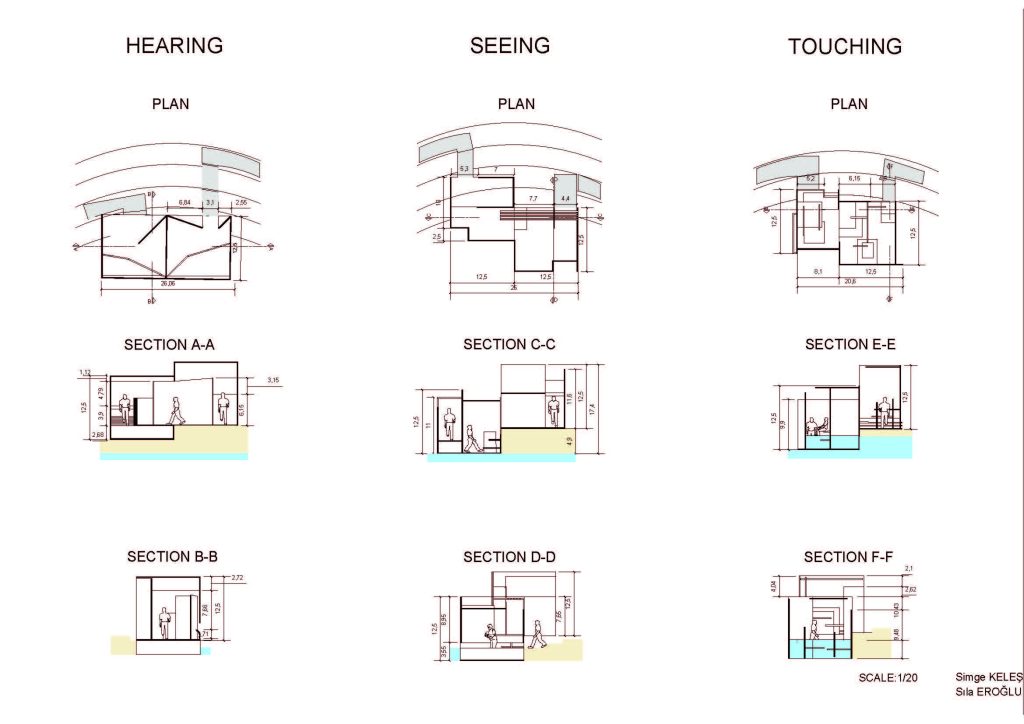
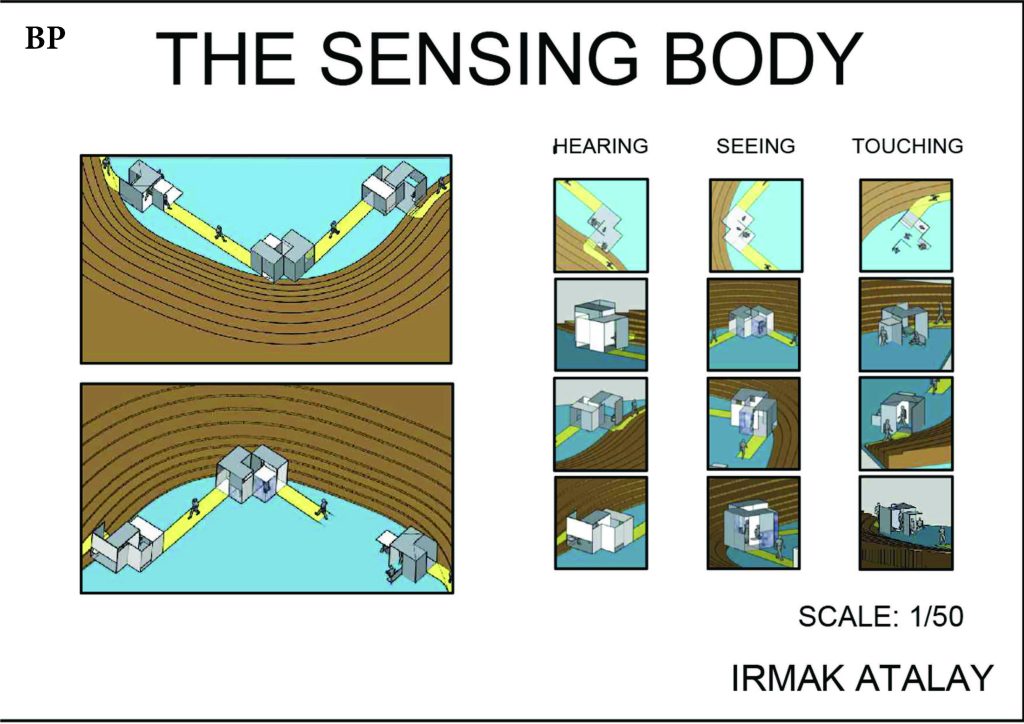
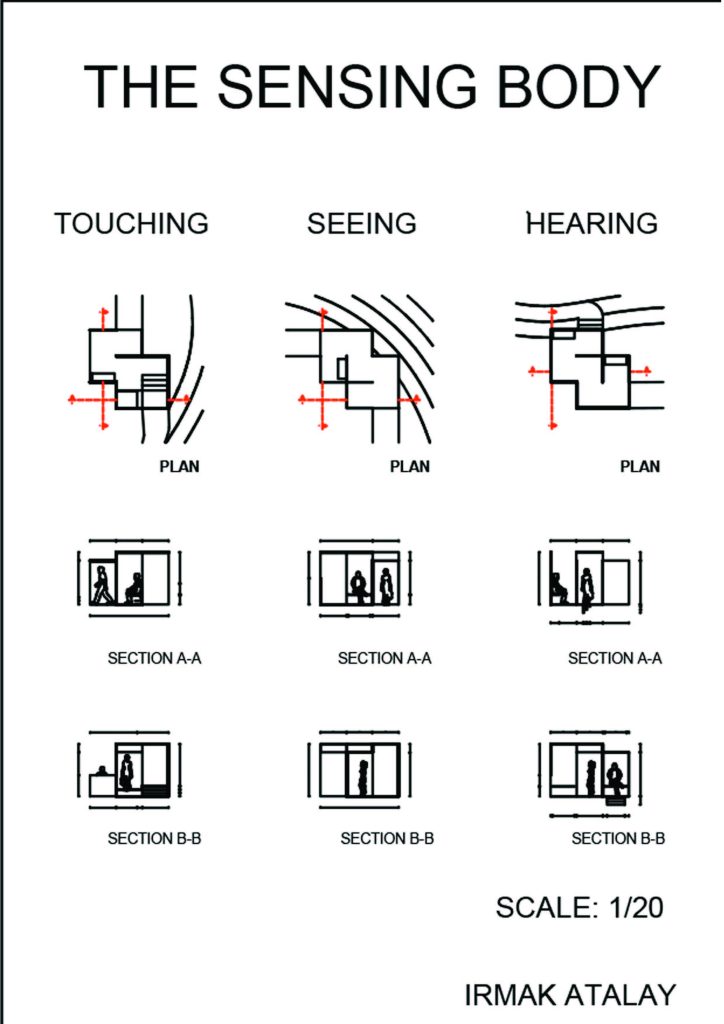
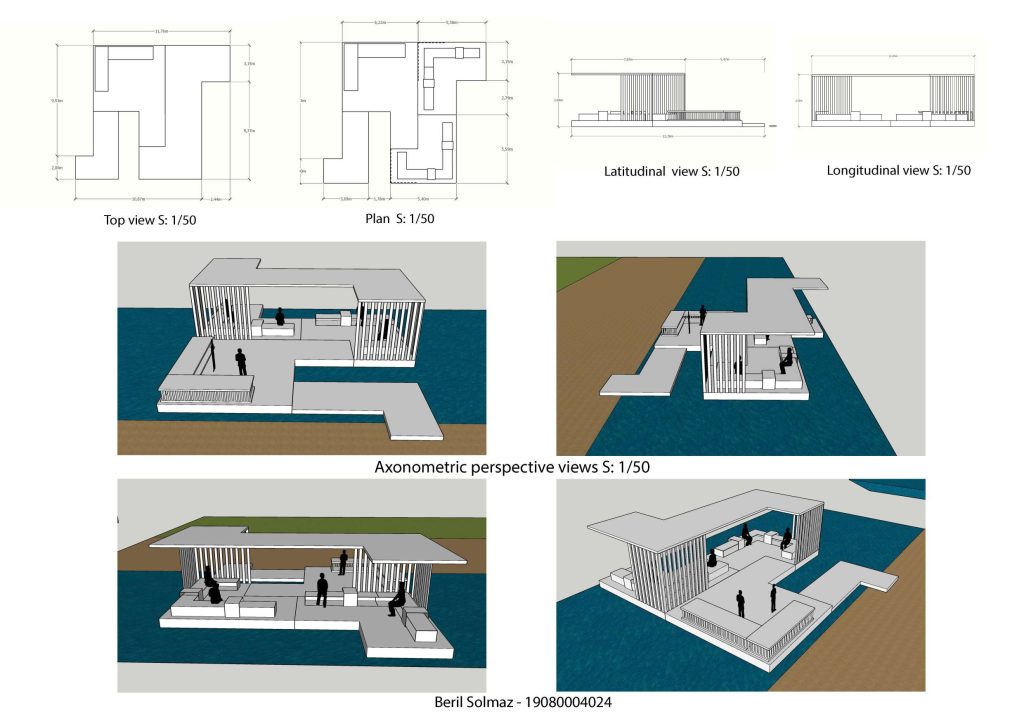
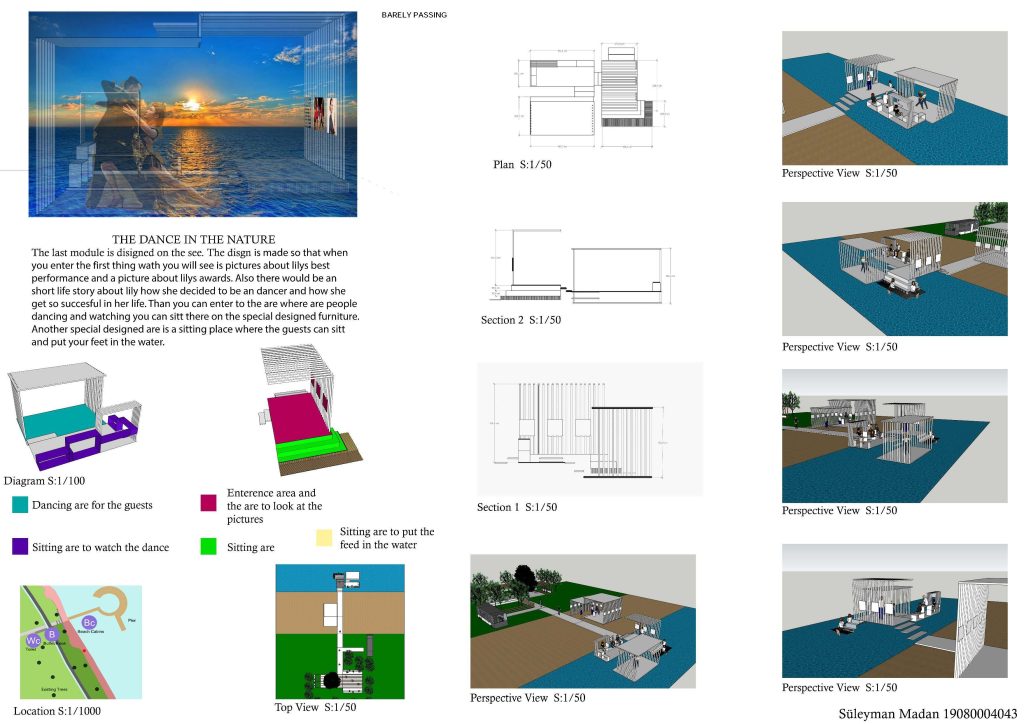
Project 2: The second project addresses the relationship between the sensing body and space. Working in pairs you are asked to design four follies on a small island. Each folly should bedesigned to enable the inhabitant to isolate and accentuate predominantly one of the following senses: Smelling, hearing, touching, seeing.
Consider the environmental factors (trees, water, soil, sky, sun, moon, stars) in the siting of your follies. Each folly should address predominantly one of the natural elements. Use your knowledge of structural elements.
You need to establish a common design language shared by your follies. Today you are asked to design a “common element” or group of elements that you will use in all four of your follies. This element needs to work differently in each folly based on the sense that is addressed. In other words, you will construct a partial model that demonstrates the main vehicle that will enable you to materialize the sense perception of your chosen element.
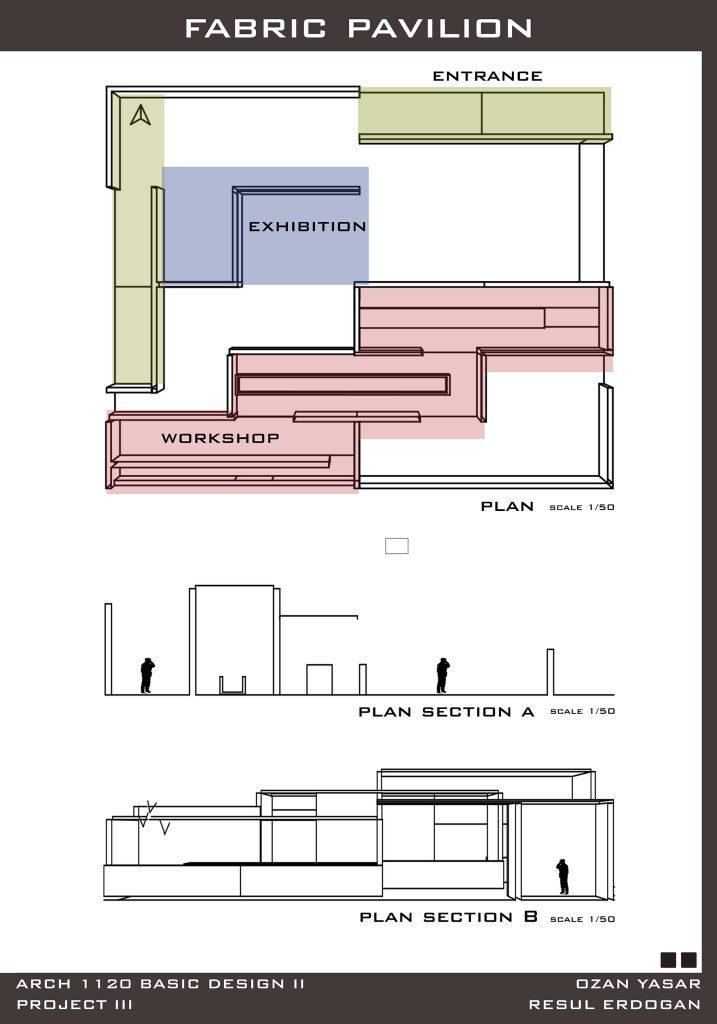
Prpject 3: The third project addresses spatial encounters, i.e., the relationship between the social body and space.
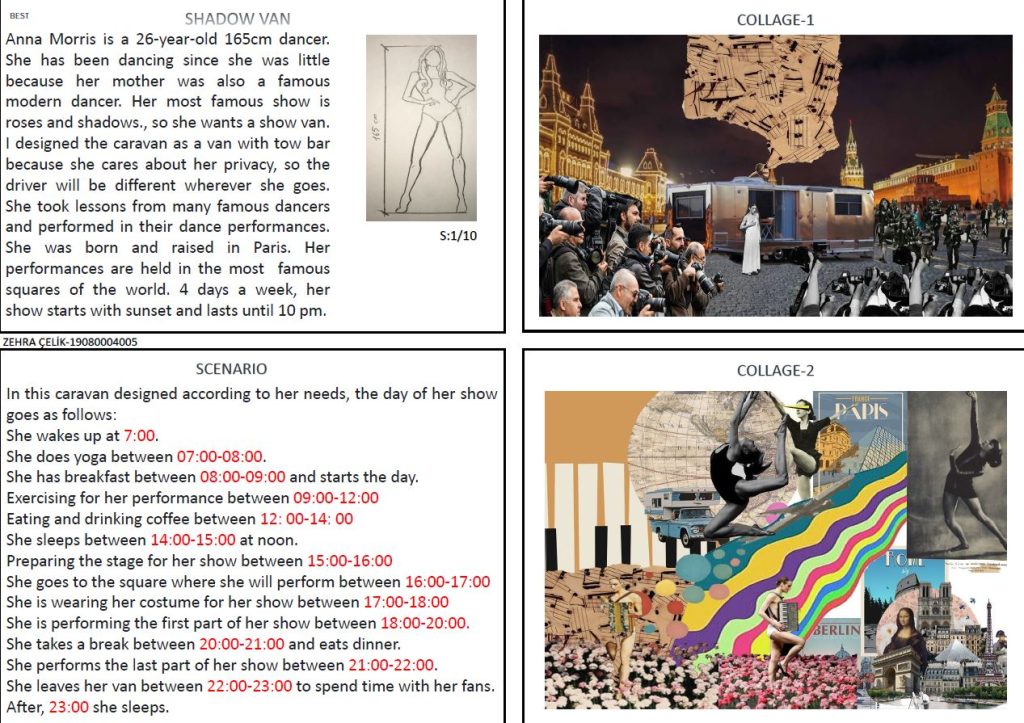
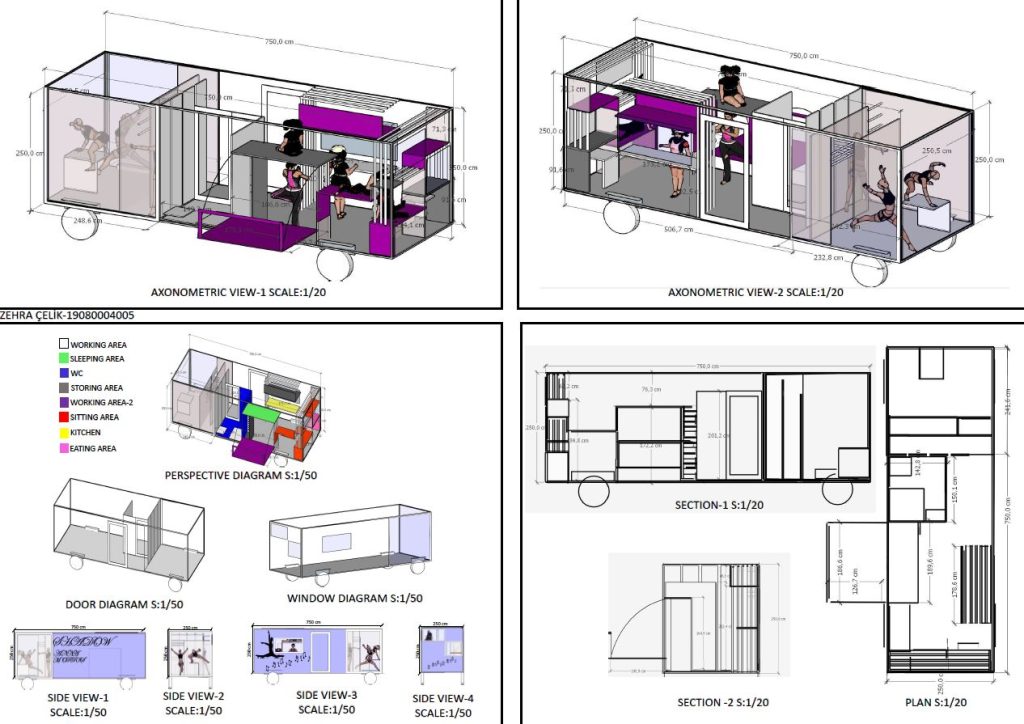
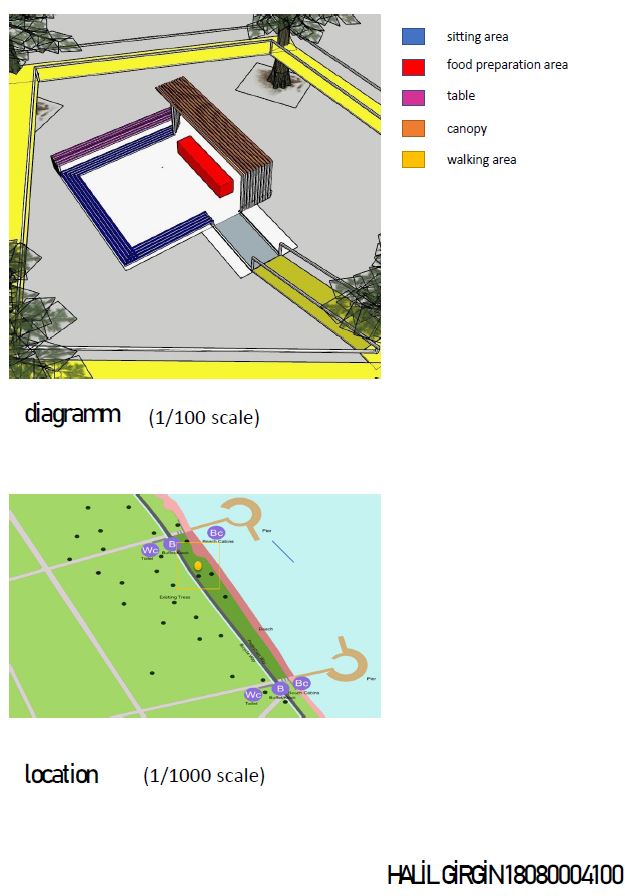
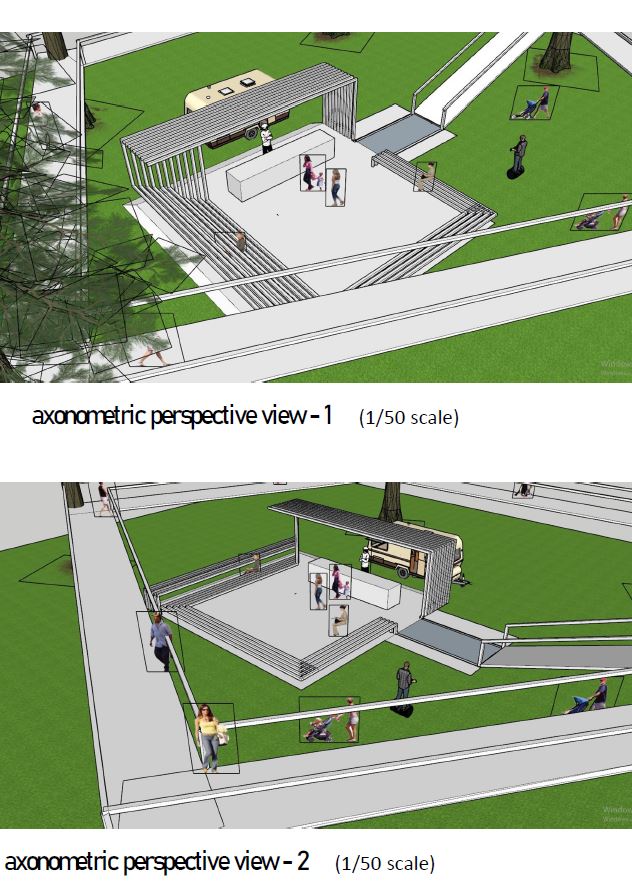
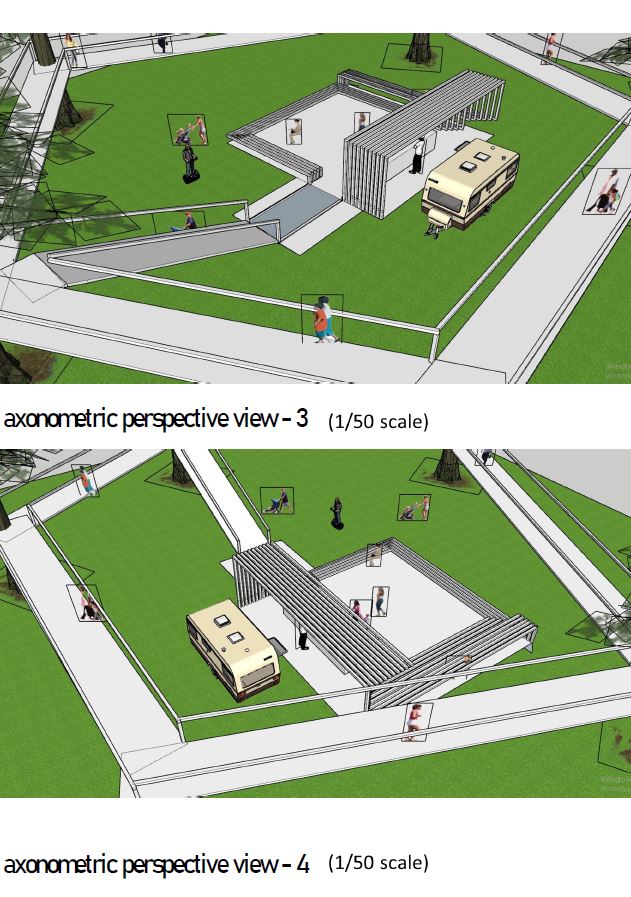
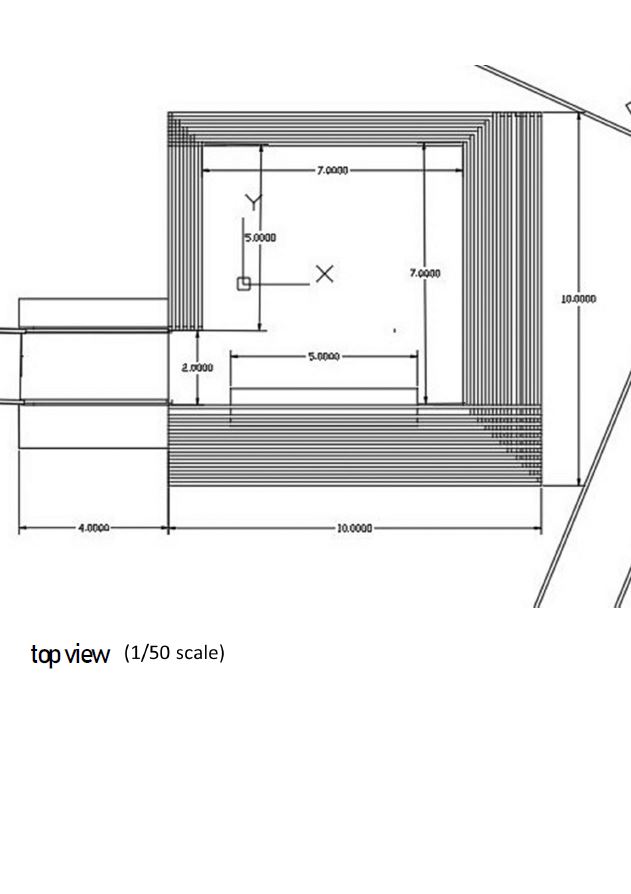
Working in pairs you are asked to design a spatial layout for one of the activities listed below. Note that each activity involves a specific performance performed by two and an audience of maximum ten people. The performers inhabit the site temporarily only to prepare for and stage their performance.
Activities: Kite making, Puppet making, Fabric printing, Cosplay
Make sure that you study your chosen performance in detail, including the necessary preparations, the main elements that can/need to be architecturalized, and the spatial relation between the performance and the audience.
Brief
Seçilen Projeler
Please click on the name to expand the details.
Final En İyi
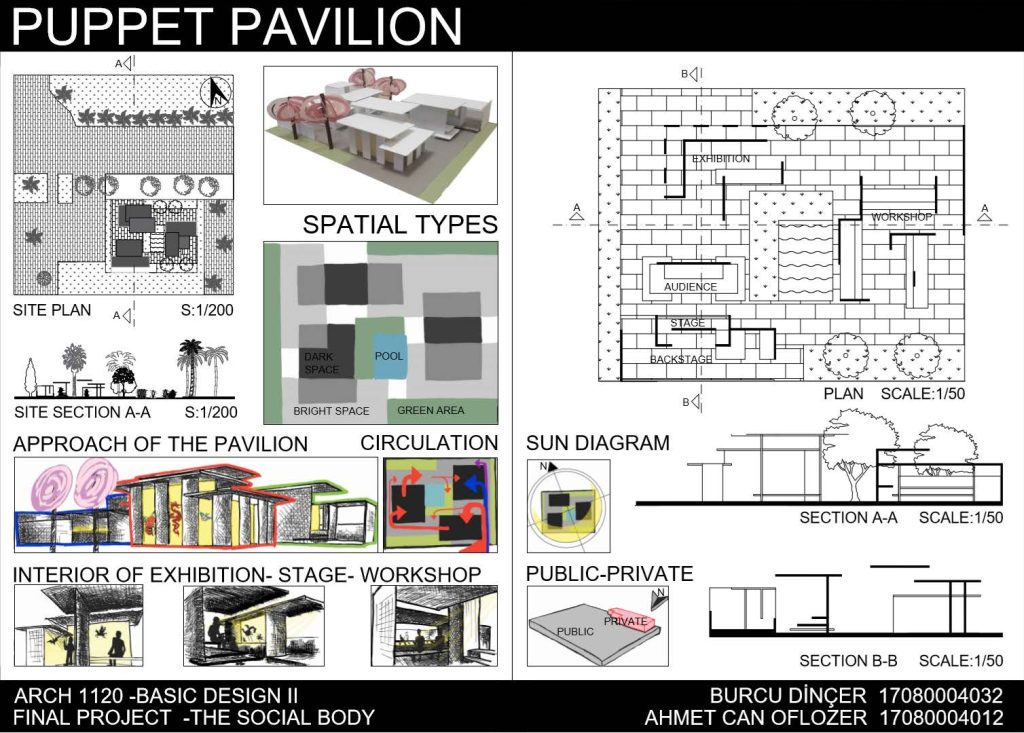
Final Orta
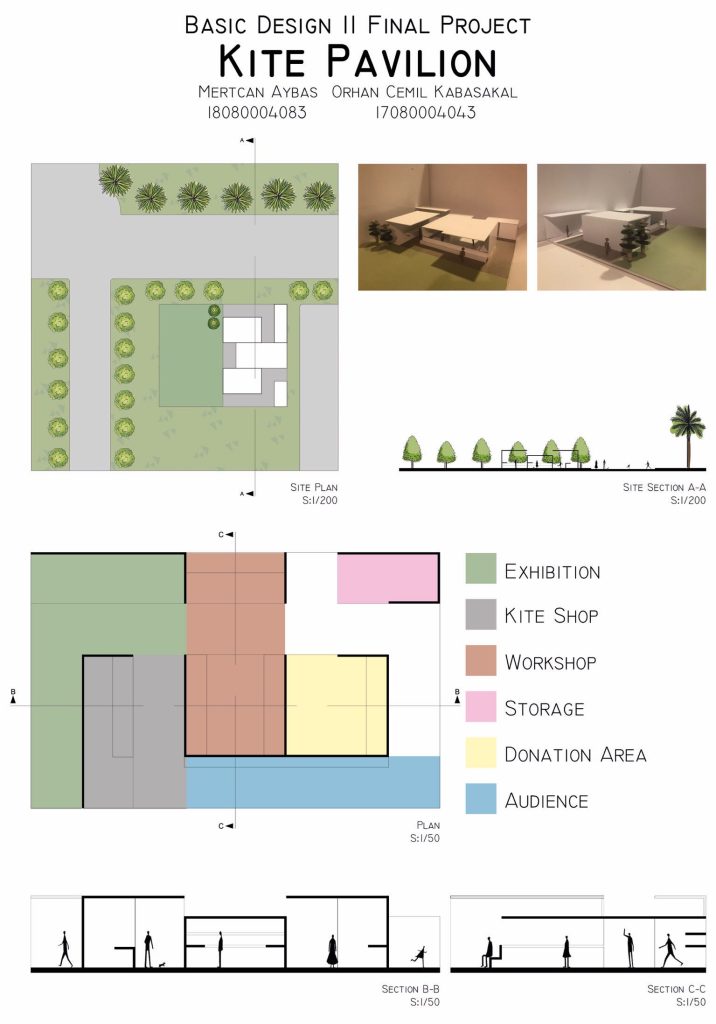
Final En Düşük Geçen
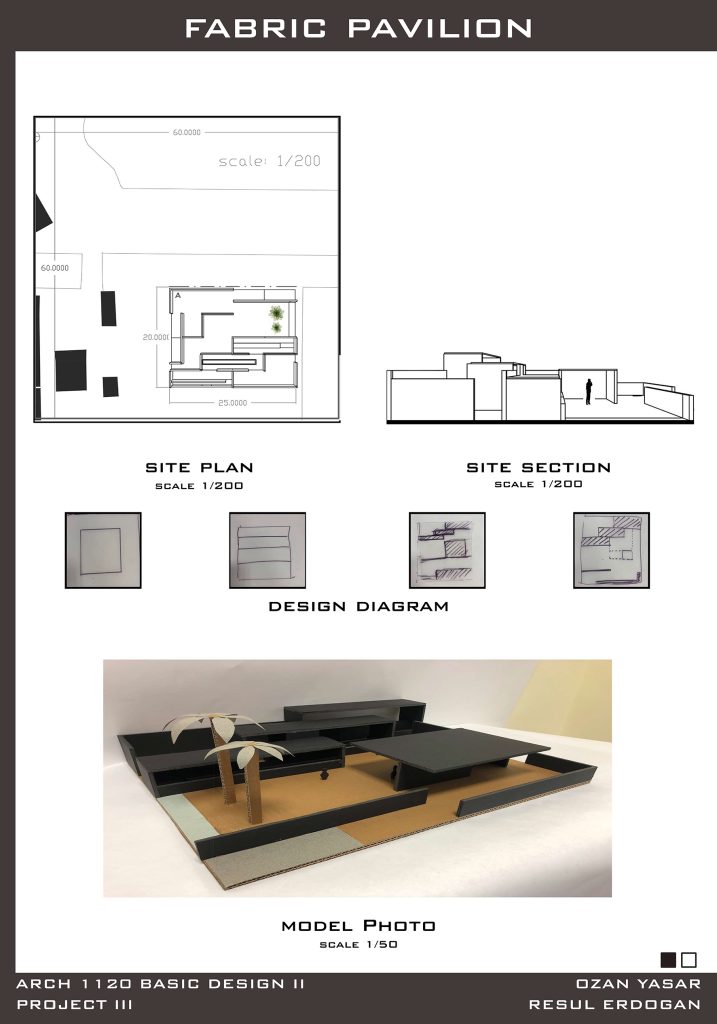
Proje 2 En İyi
Proje 2 Orta
Proje 2 En Düşük Geçen
Proje 1 En İyi
Proje 1 Orta
Proje 1 En Düşük Geçen
Brief
Project 1: You are asked to design a movement path consisting of the following actions of the body: Stretching, Climbing, Jumping, Bendinig Reaching Two stops (lying and/or sitting).
You are free to choose the order of consecutive movements and can use your frame in any direction. The entrance to your path does not need to correspond to the base of the frame.
Project 2: The second project addresses the relationship between the sensing body and space. Working in pairs you are asked to design four follies on a small island. Each folly should bedesigned to enable the inhabitant to isolate and accentuate predominantly one of the following senses: Smelling, hearing, touching, seeing.
Project 3: Students are asked to revise the presentation board based on your reading of a section from Juhani Pallasmaa’s book The Eye of the Skin (see the resources section for the pdf copy of the related section.)
Original assignment
1. Read the text carefully making sure that you fully understand Pallasmaa’s main points.
2. Make note of the parts which lend themselves to powerful visualization.
3. Make a visualized representation of the text without using any textual explanations. Your presentation may include photographs, drawings, graphics and a maximum of five words.
4. Include a title and your name as part of your presentation board (this is not included in the five-words limitation).
Seçilen Projeler
Please click on the name to expand the details.
Proje 1 En İyi
Proje 1 Orta
Proje 1 En Düşük Geçen
Proje 2 En İyi
Proje 2 Orta
Proje 2 En Düşük Geçen
Proje 3 En İyi
Proje 3 Orta
Proje 3 En Düşük Geçen
Final En İyi
Final Orta
Final En Düşük Geçen
Brief
Based on the knowledge and skills gained in Basic Design in Architecture I, the focus of this course is spatial organization. Therefore, the main aim of the studio is to introduce students to the culture and practices of spatial design and help them explore and experience the fundamental approaches, skills and knowledge of the field. Students gain an understanding of scale and proportion and investigate such spatial elements as structure and materials as well as the synesthetic spatial experience via the strata such as light, texture, color and temperature, in an environmental context. By means of 3D modeling they understand the role of surfaces, solids and voids, computational design tools, and physical and perceptual dimensions of space in relation to specific programs, activities and contexts. Emphasis is placed on systematic decision-making processes in producing, combining and multiplying spatial elements for different functions.
The course content is structured through hands-on exercises, briefs, and rehearsals of the design processes in order to achieve the learning outcomes and aims of the course. The course is conducted as a digital studio environment in which “learning by doing” is crucial. The main topics of the course are introduced in the table below, however the semester is open to spontaneous practices due to the nature of the course.
The process of the course is as follows:
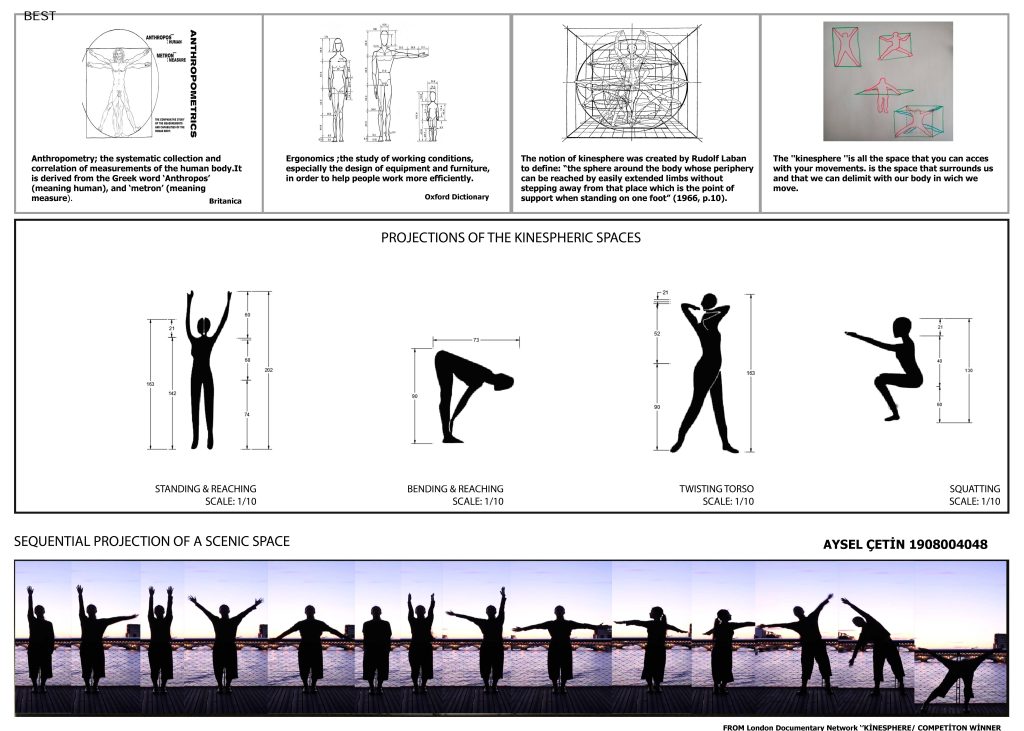
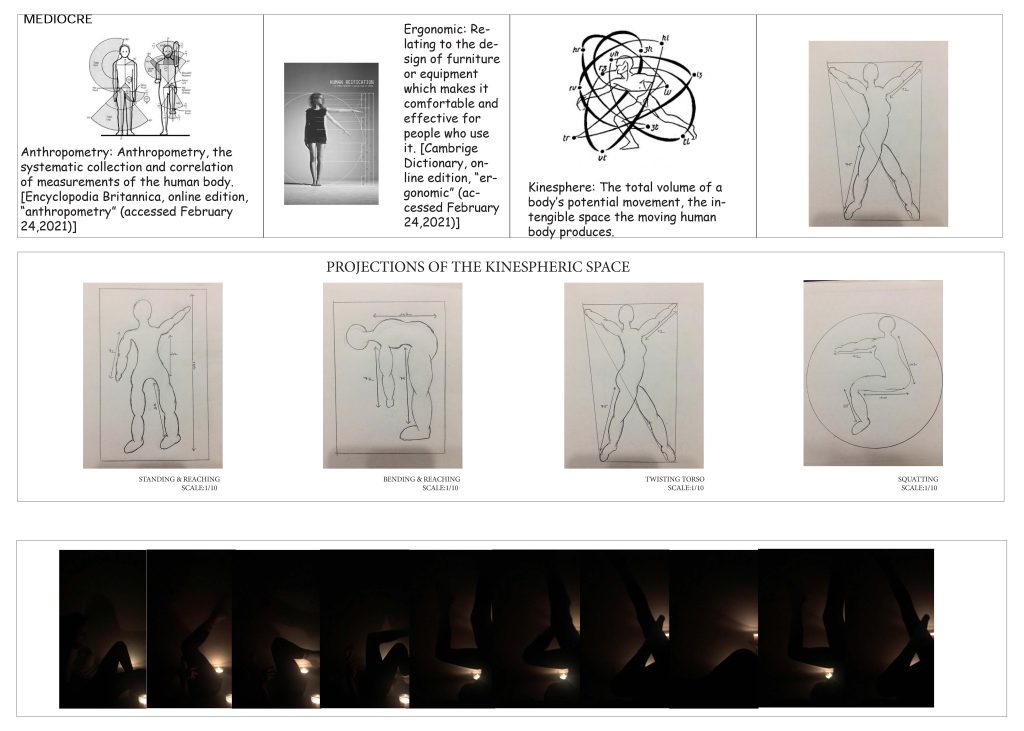
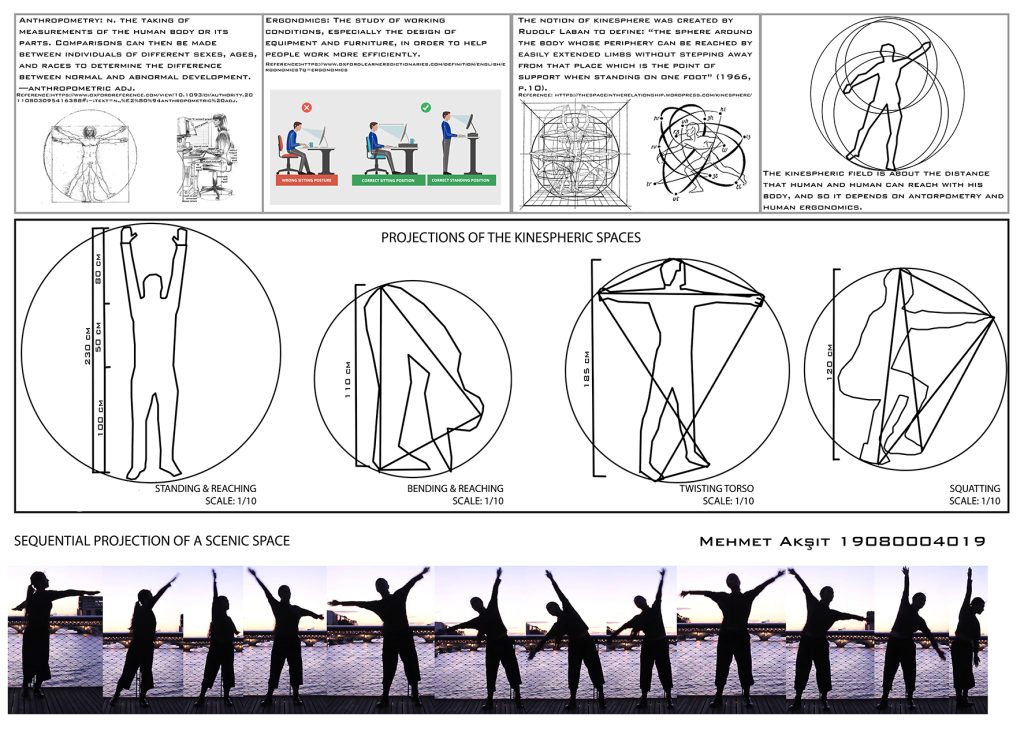
Anthropometry, movement and ergonomics
Subjectivity in space (spatial organization and experience)
Subjectivity in space (structure and materiality)
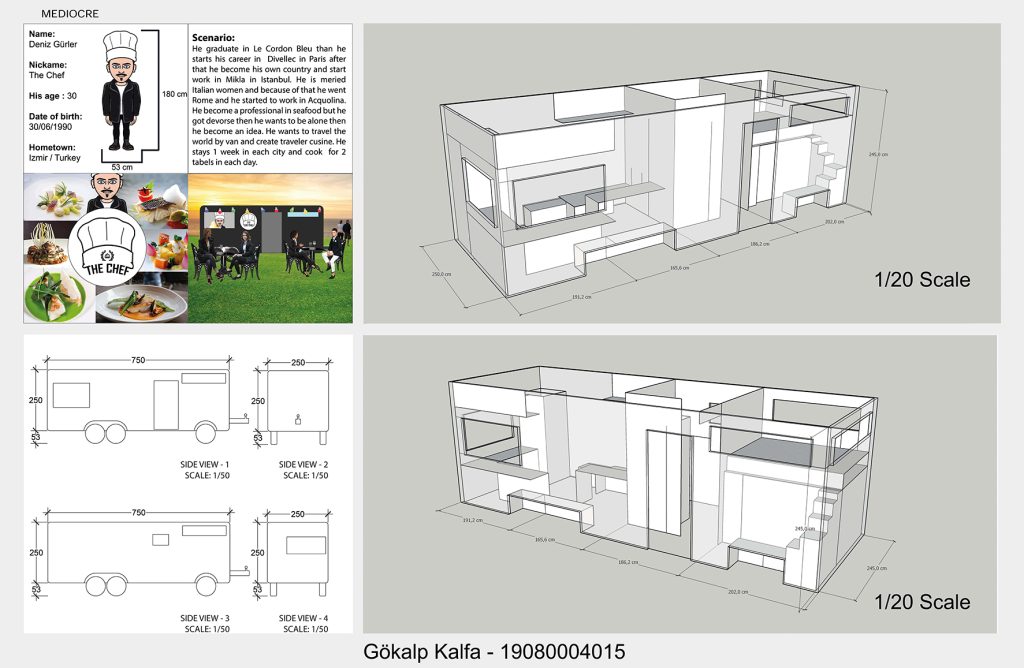
Intersubjectivity in space (spatial scenario and organization)
Intersubjectivity in space (context and environment)
Intersubjectivity in space (synesthetic experience and narrations)
Intersubjectivity in space (structure and materiality)
Intersubjectivity in space (social dynamics)
Seçilen Projeler
Please click on the name to expand the details.
Ödev 2 En İyi
Ödev 2 Orta
Ödev 2 En Düşük Geçen
Ödev 5 Orta
Ödev 5 En Düşük Geçen
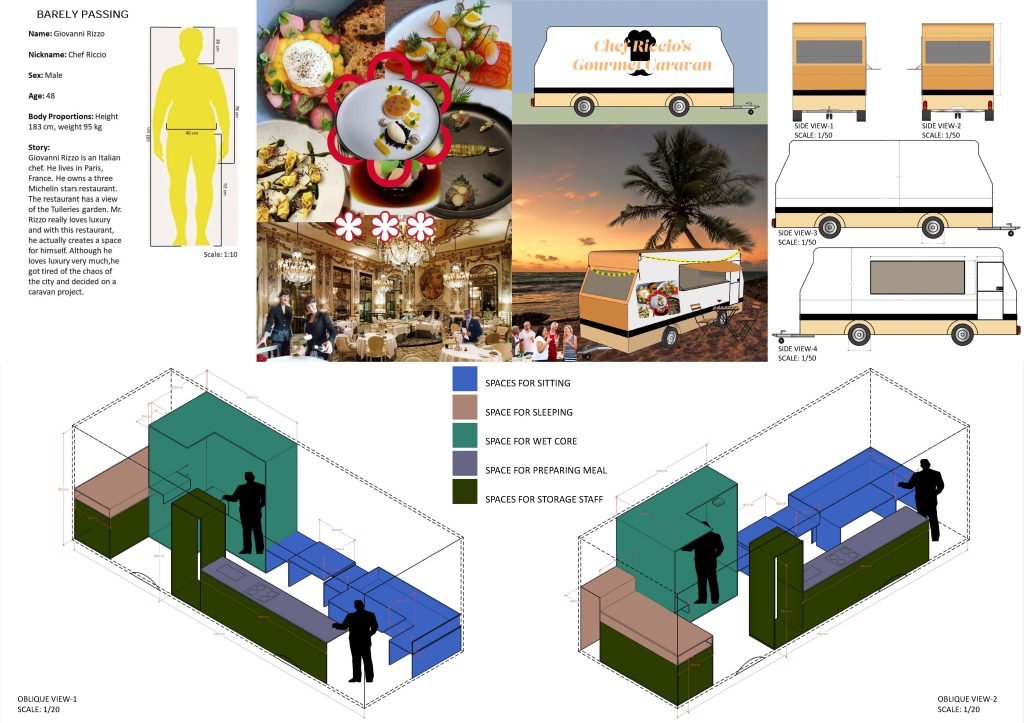
Stüdyo Çalışması 6 En İyi
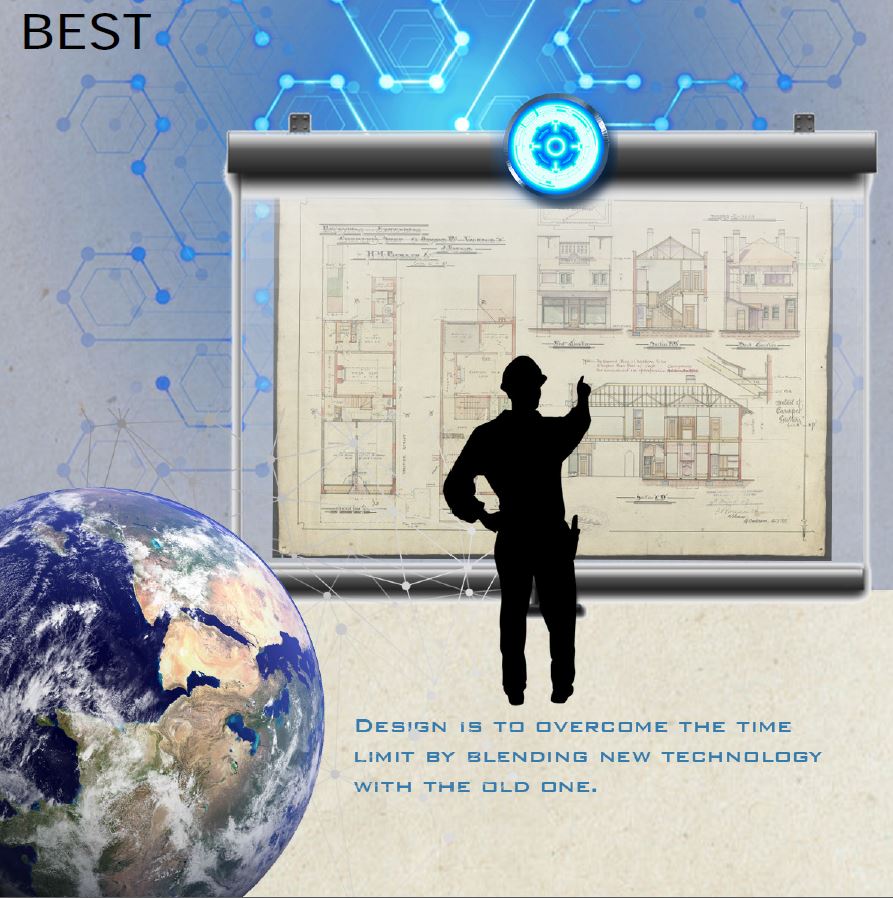
Stüdyo Çalışması 6 Orta
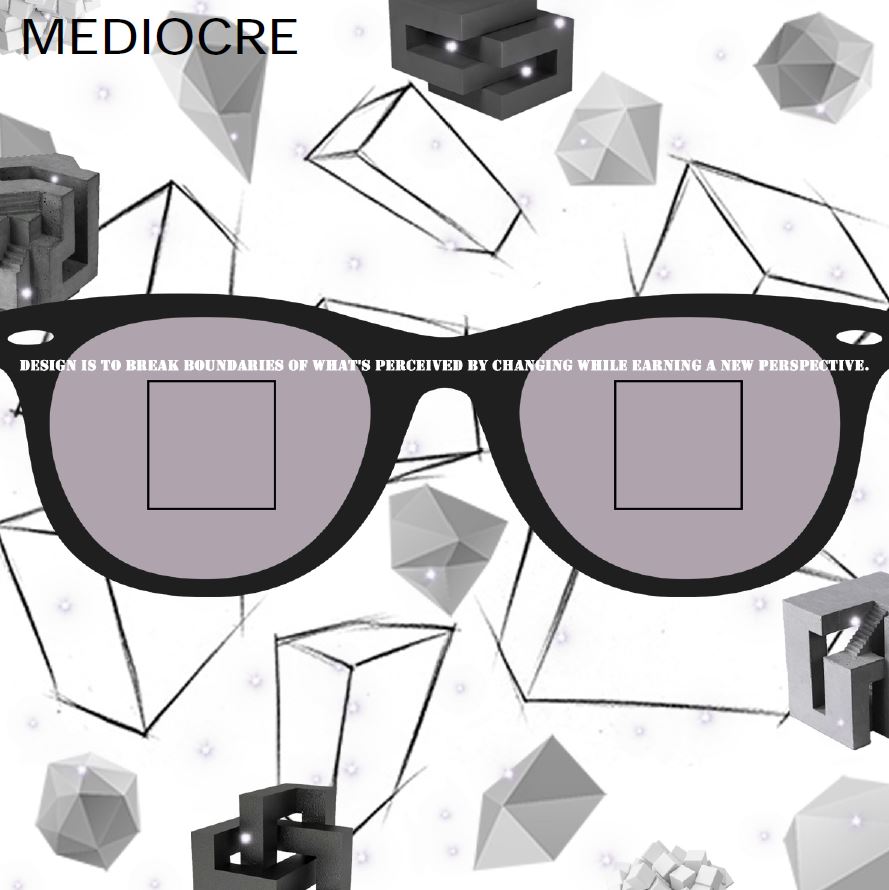
Stüdyo Çalışması 6 En Düşük Geçen
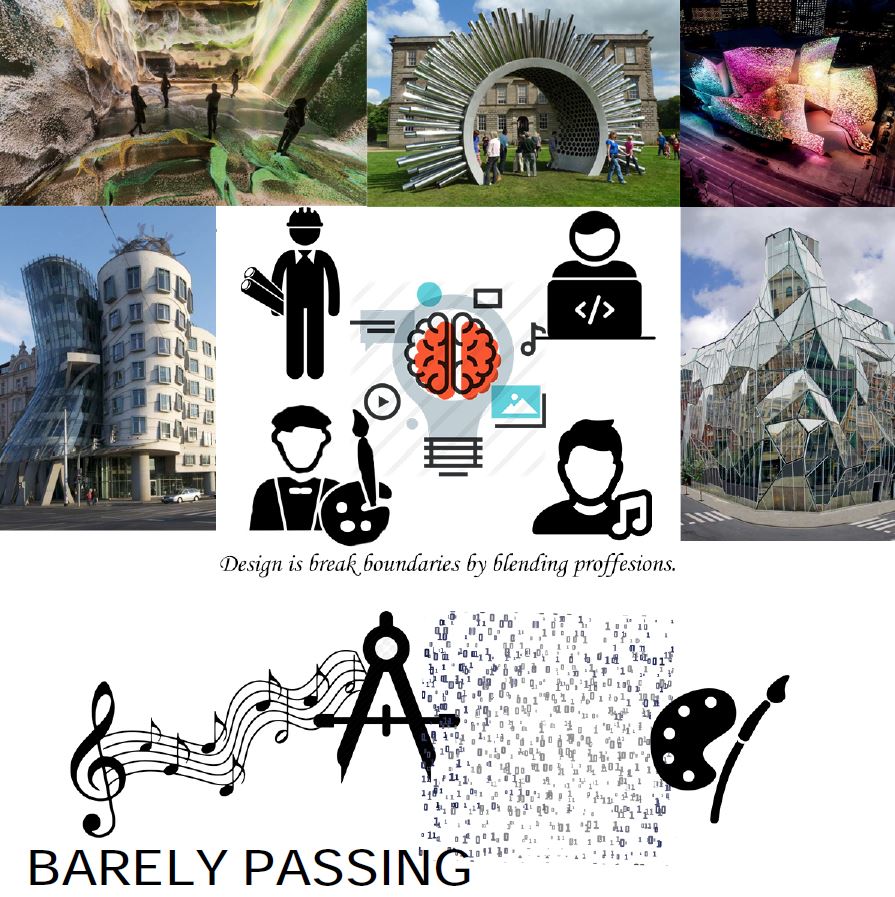
Ödev 8 En İyi
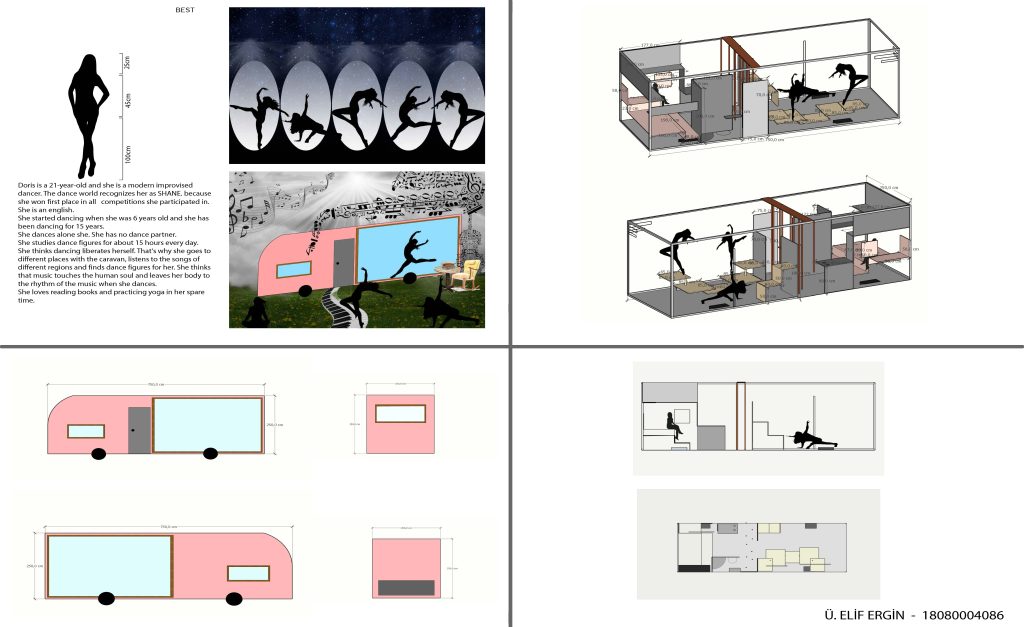
Ödev 8 Orta
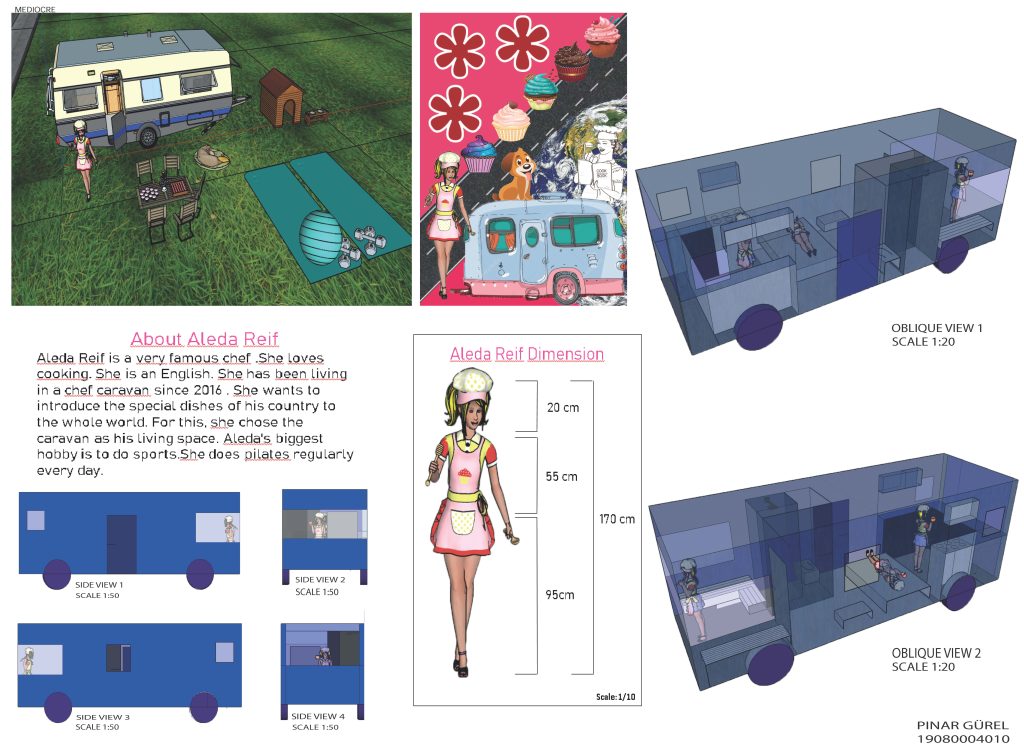
Ödev 8 En Düşük Geçen
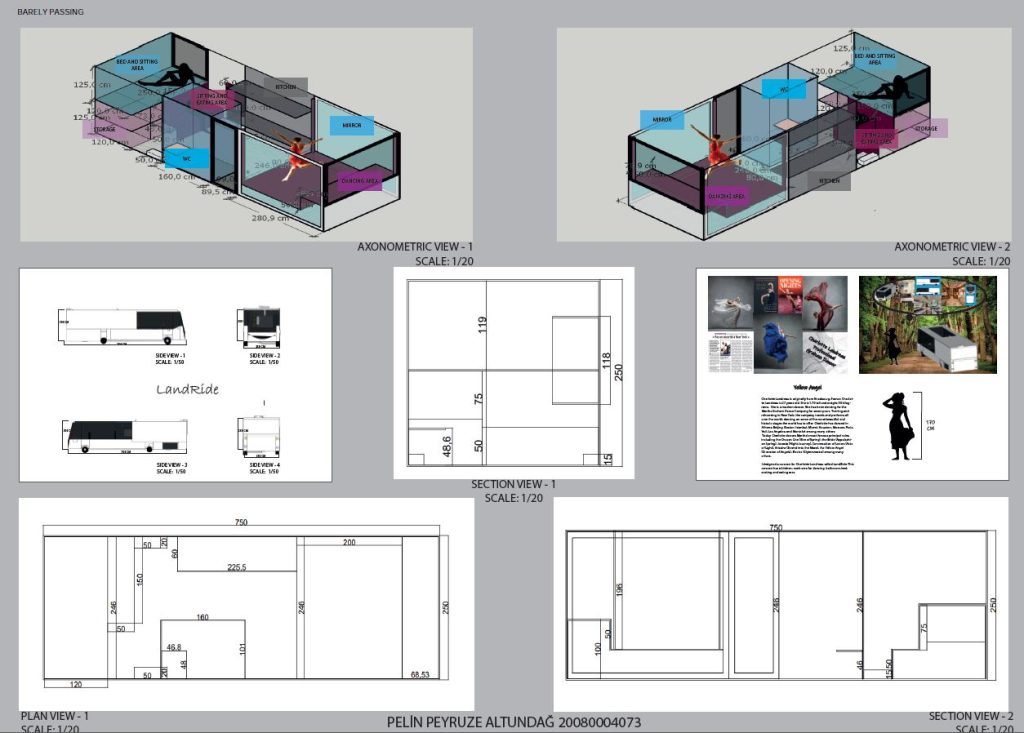
Ödev 12 En İyi
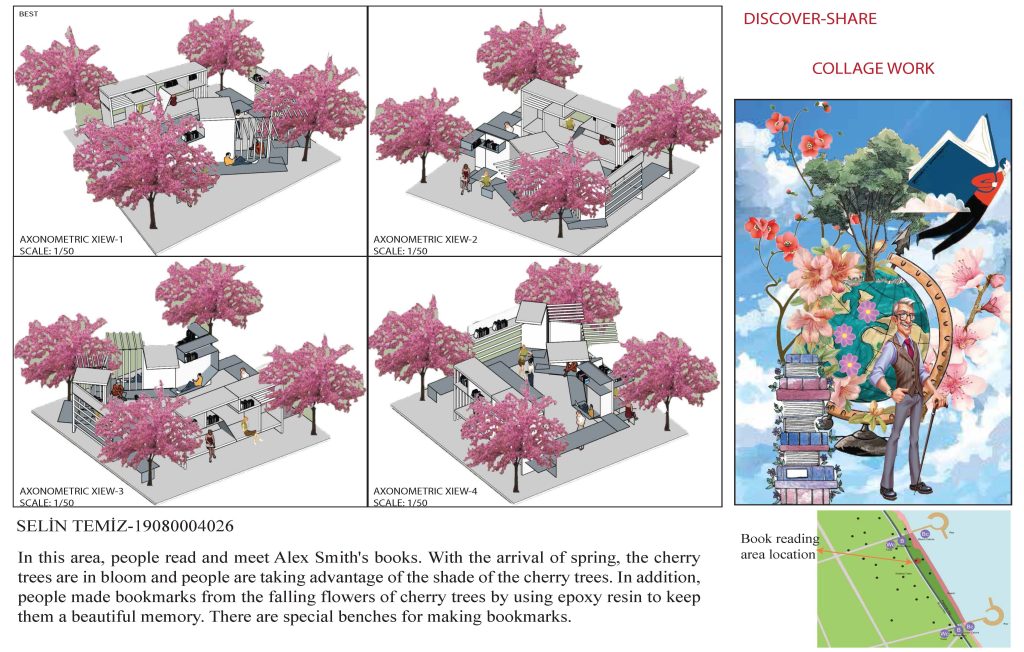
Ödev 12 Orta
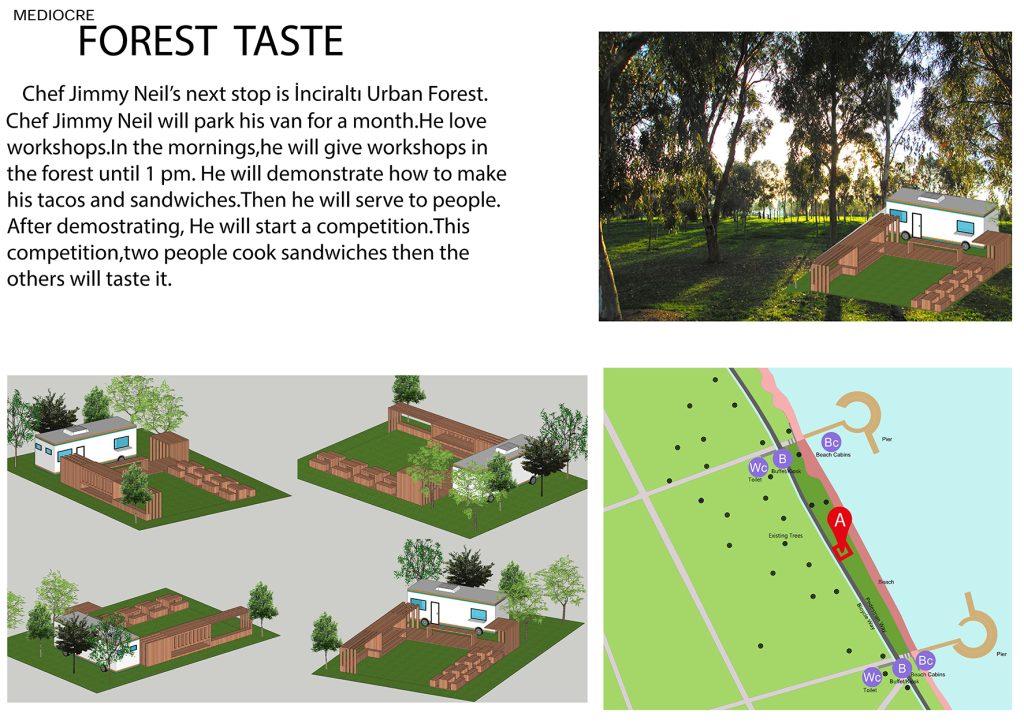
Ödev 12 En Düşük Geçen
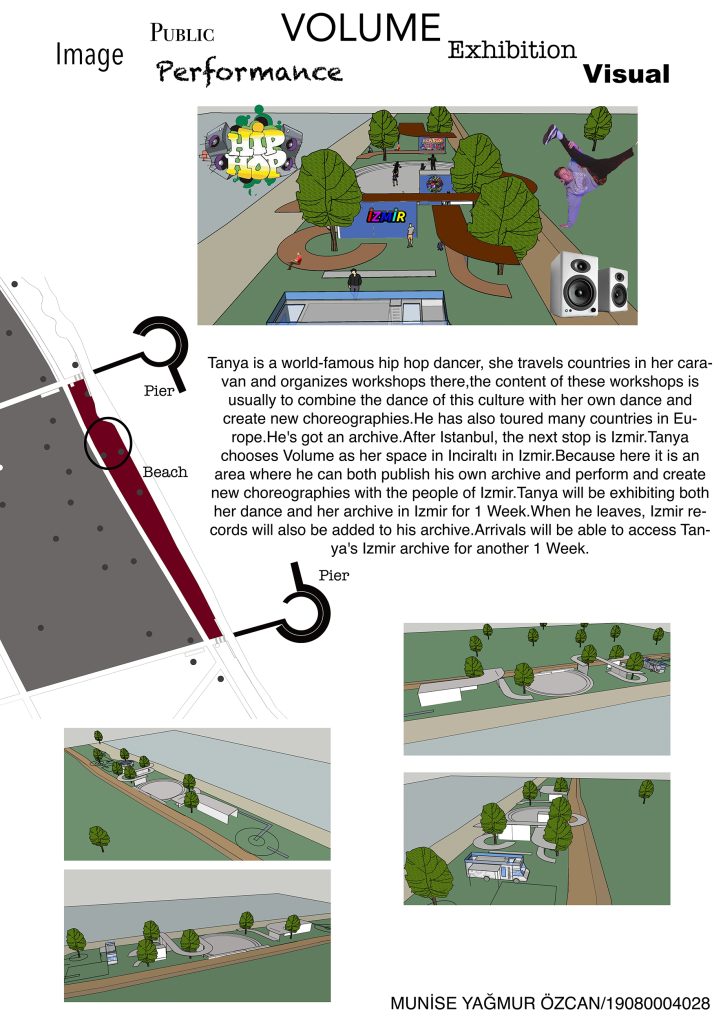
Ödev 16 En İyi
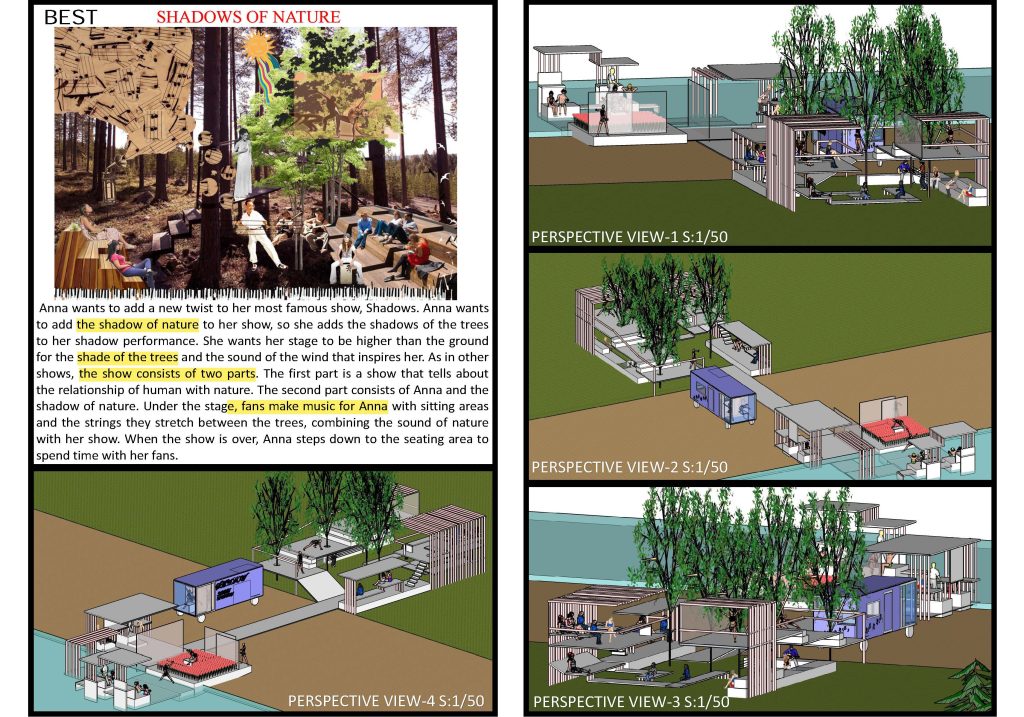
Ödev 16 Orta
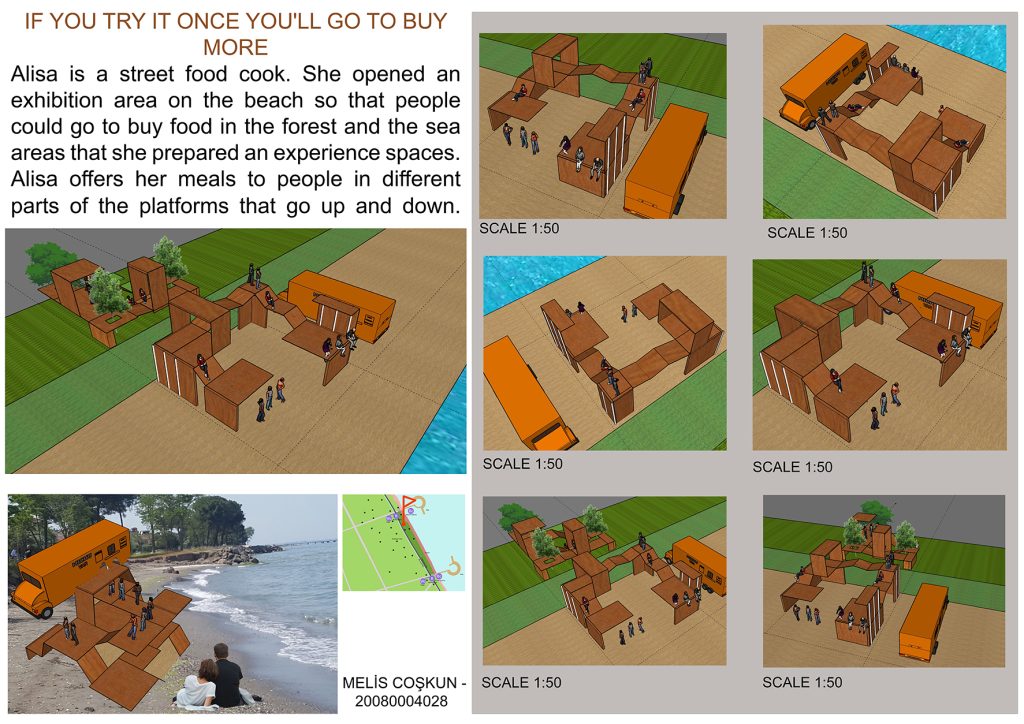
Ödev 16 En Düşük Geçen
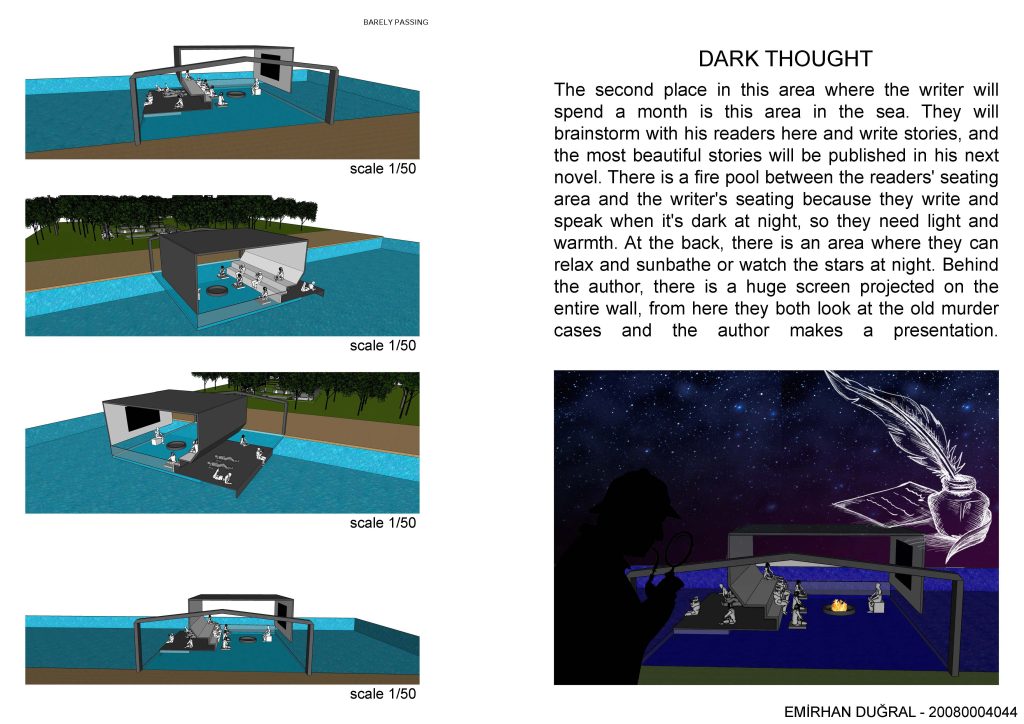
Ödev 20 En İyi
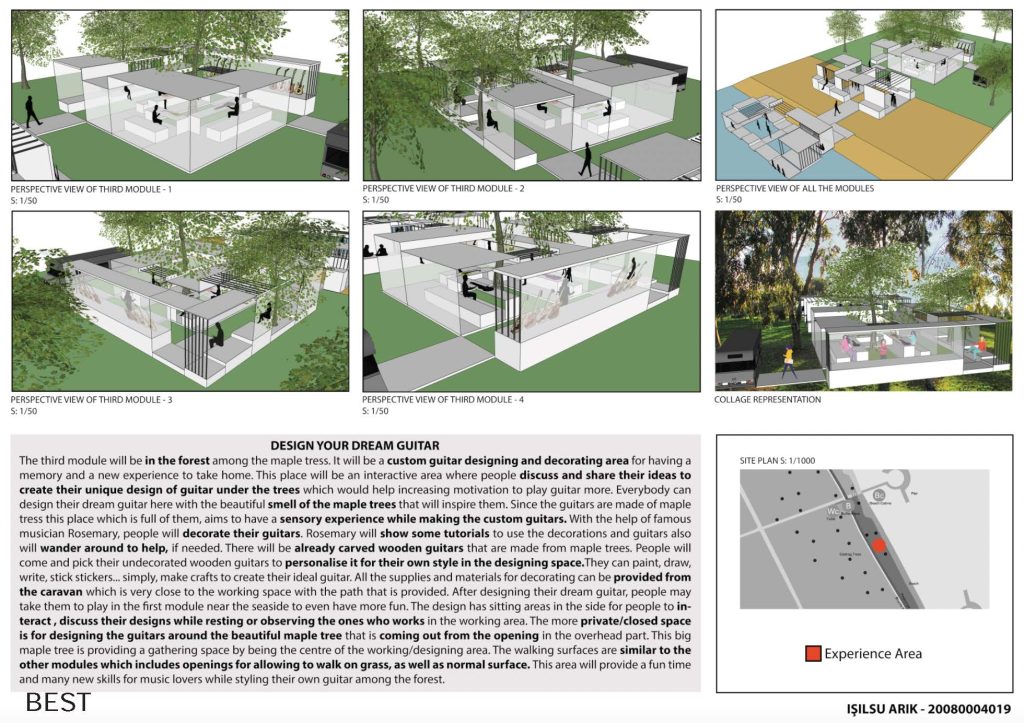
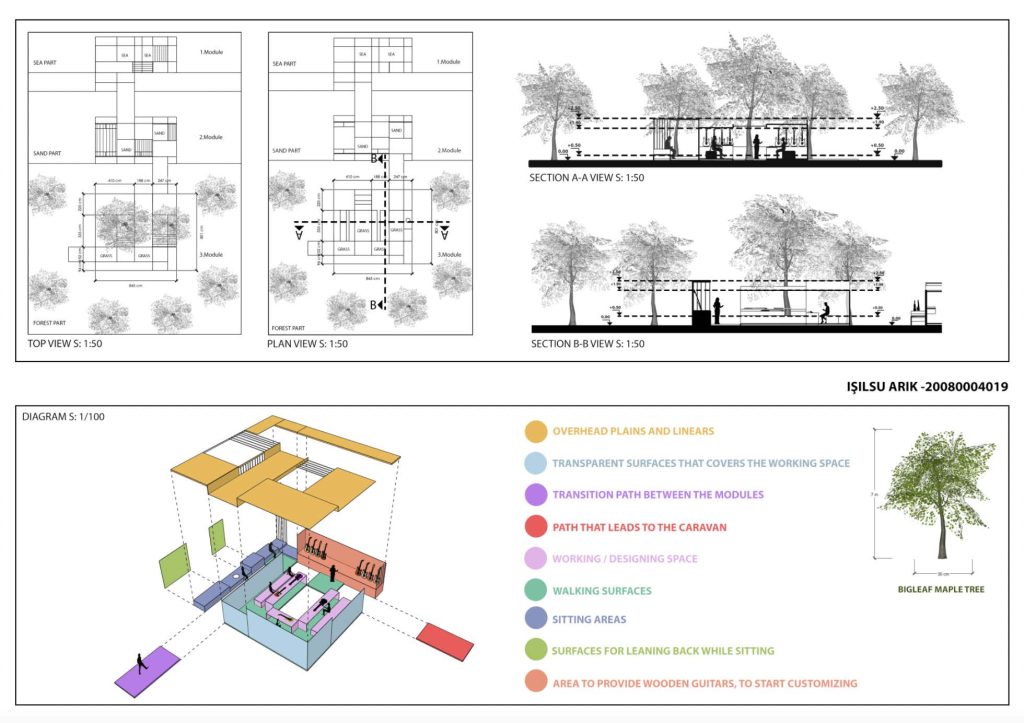
Ödev 20 Orta
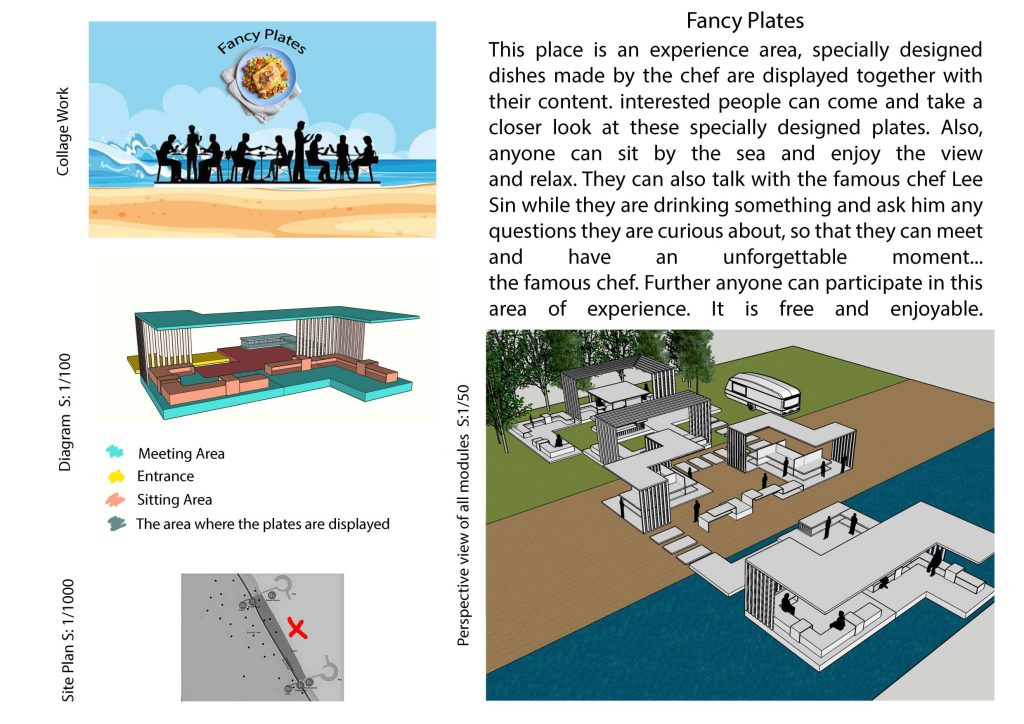
Ödev 20 En Düşük Geçen
Set 1 En İyi
Set 1 Orta
Set 1 En Düşük Geçen
Set 2 En İyi
Set 2 Orta
Set 2 En Düşük Geçen
Set 3 En İyi
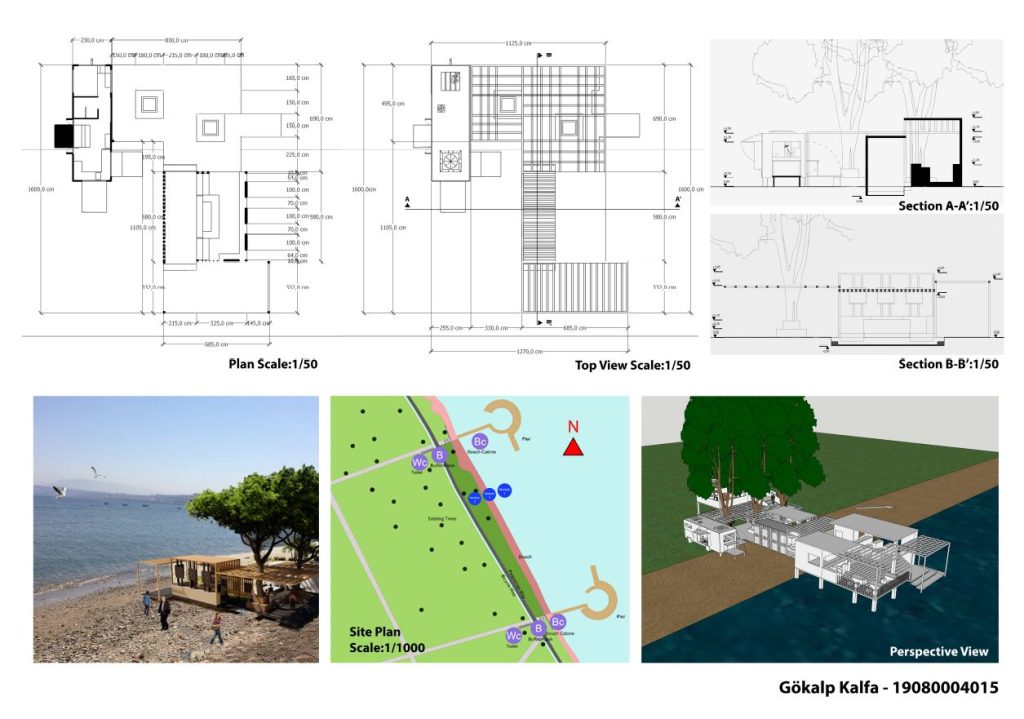
Set 3 Orta
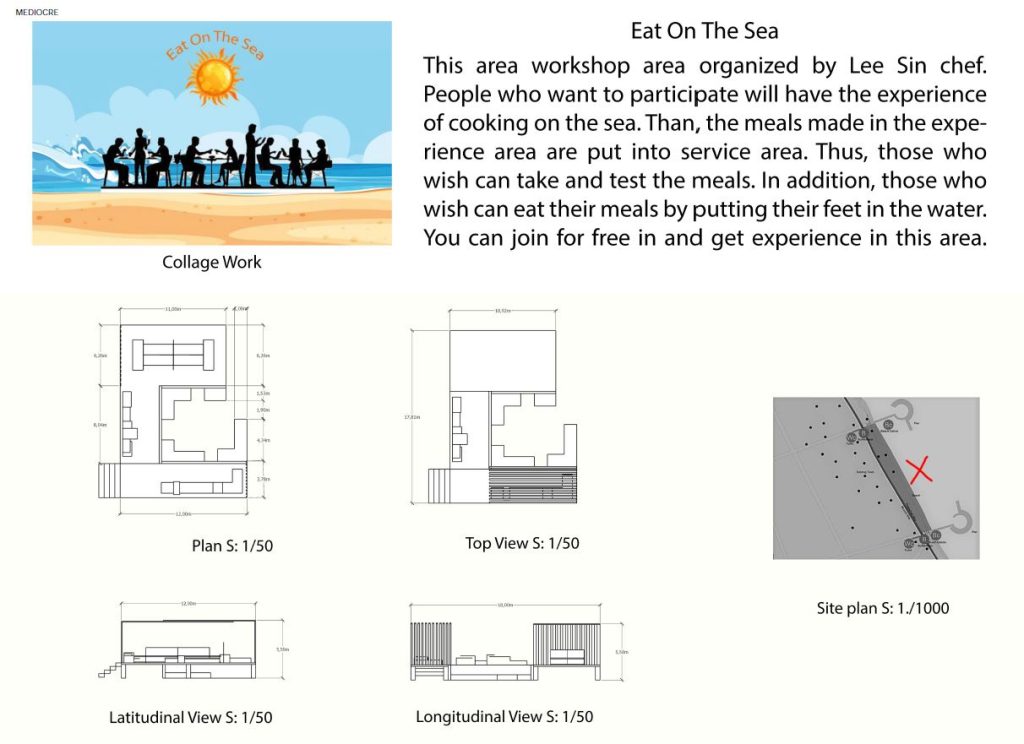
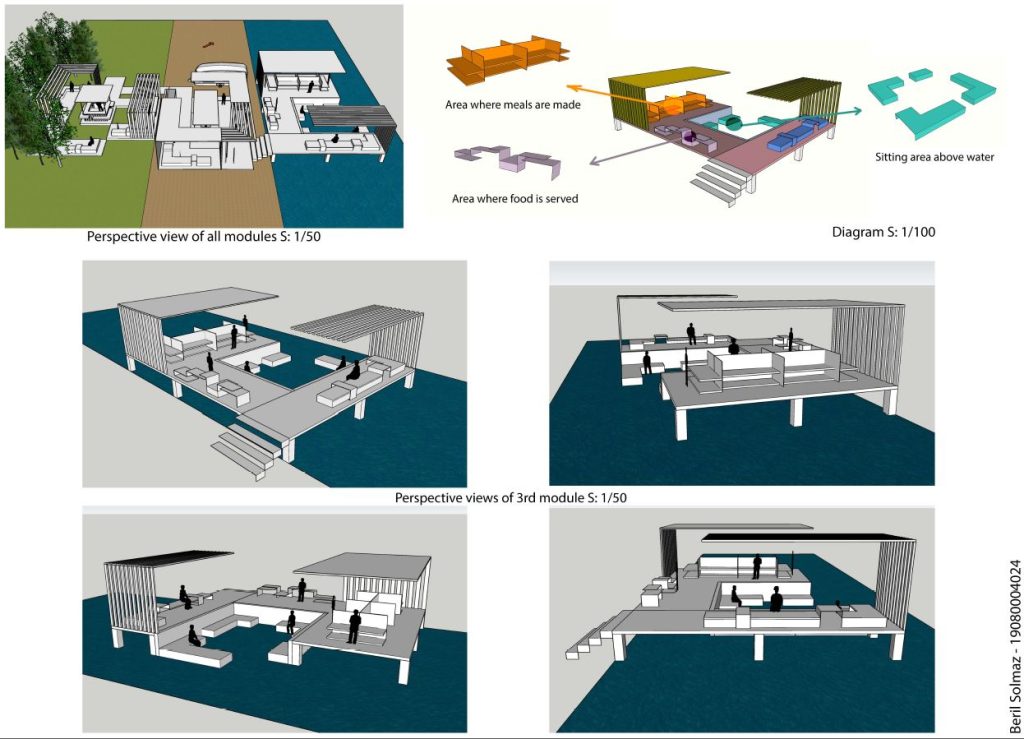
Set 3 En Düşük Geçen
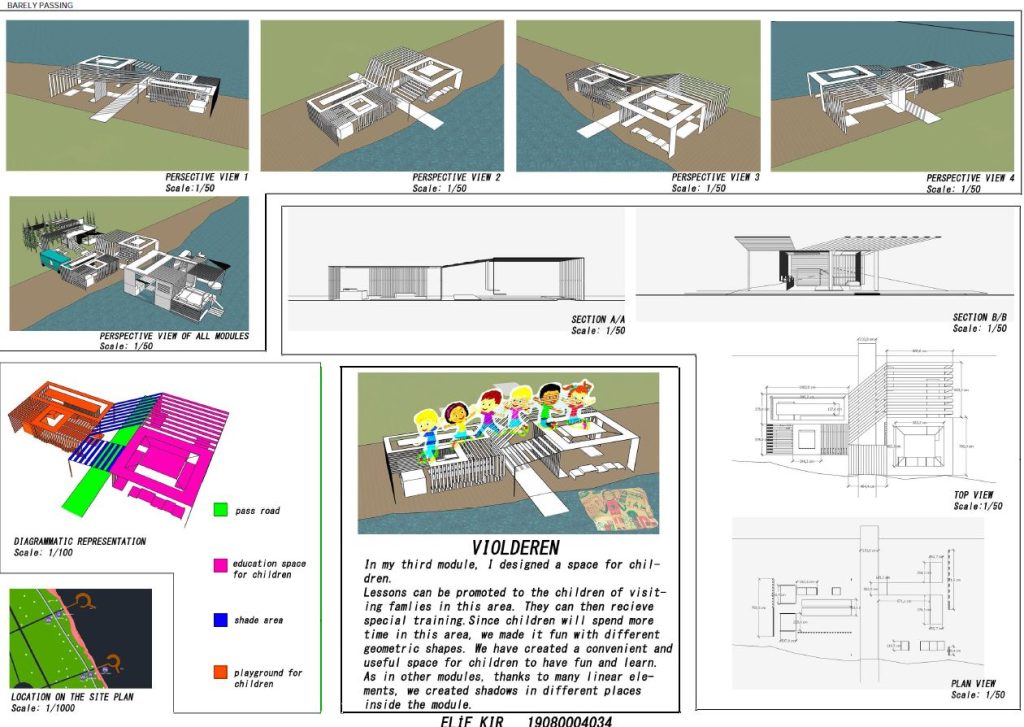
Ara Sınav En İyi
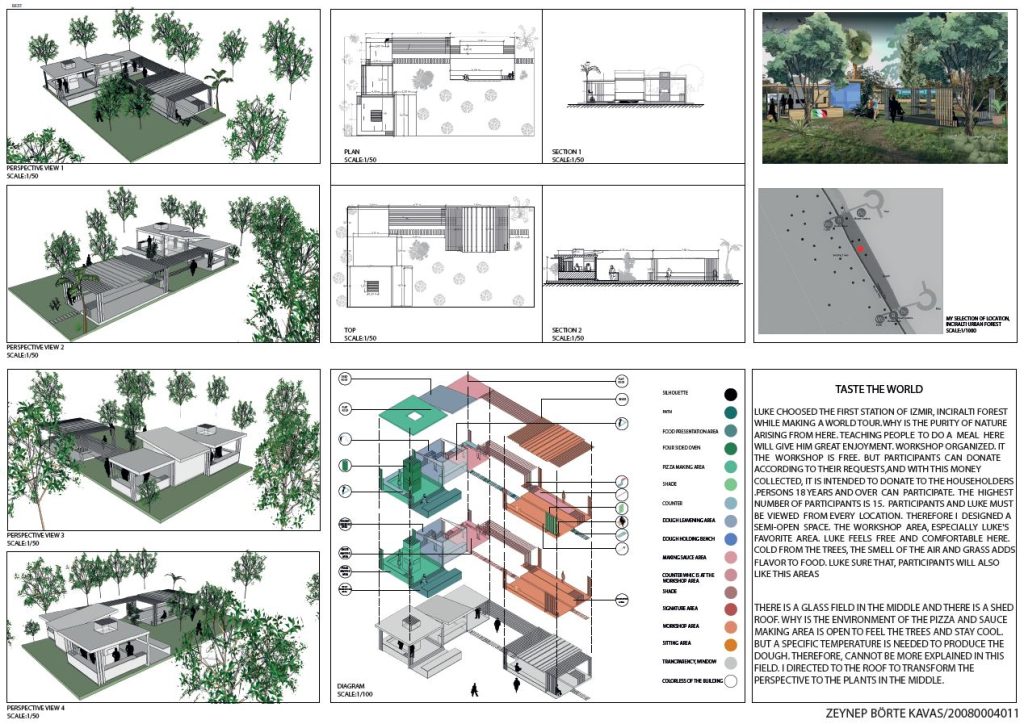
Ara Sınav Orta
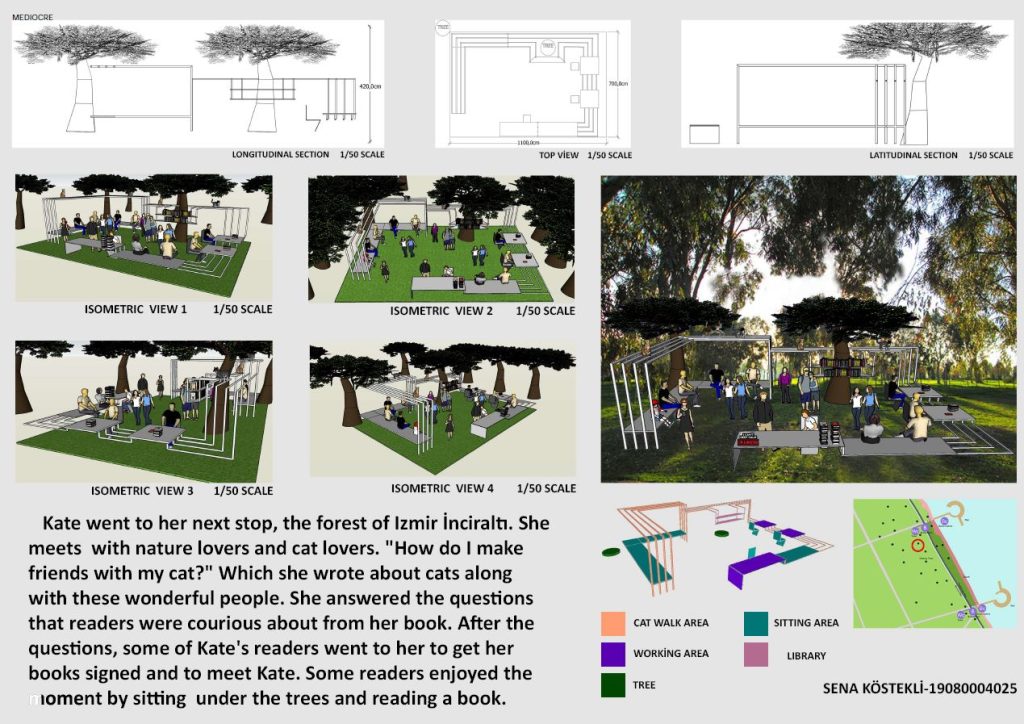
Ara Sınav En Düşük Geçen
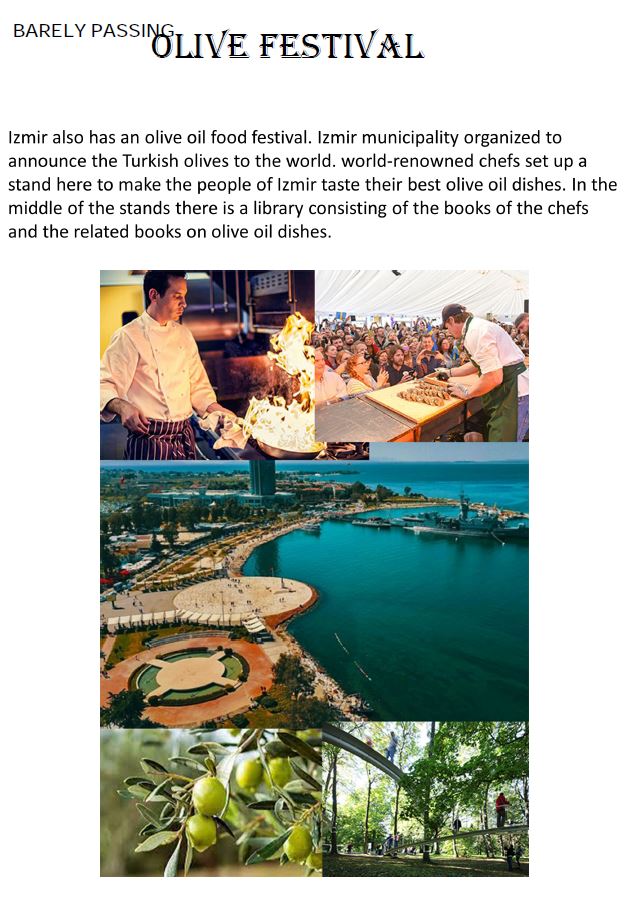
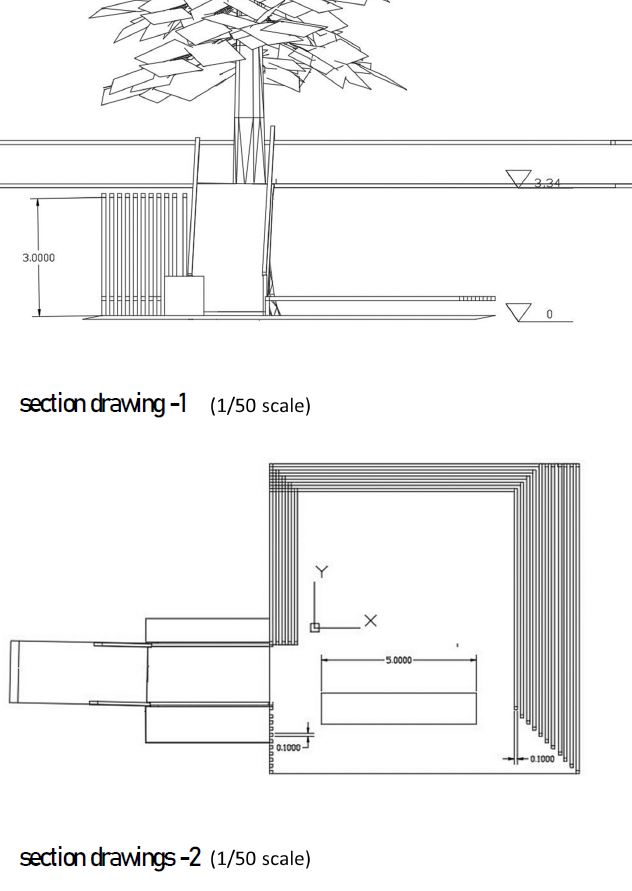
Portfolyo En İyi
Portfolyo Orta
Final En İyi